
England Travel Guide
England is part of the United Kingdom, with its rich history, diverse culture, and stunning landscapes, it is a must-visit destination for travellers From the bustling roads of London to the rolling slopes of the wide open, there is something for everybody in this charming nation.
I have been staying here in this beautiful country for almost two years. I enjoyed exploring the most interesting destinations in and around London, including smaller cities like Bath, Oxford, Cornwall, and Stonehenge. I have so many exciting stories to share with you! I want to make sure no one ever feels like they missed out on a must-see place during their visit.
Click Here for City Guides
Top 5 Must-See Attractions in England
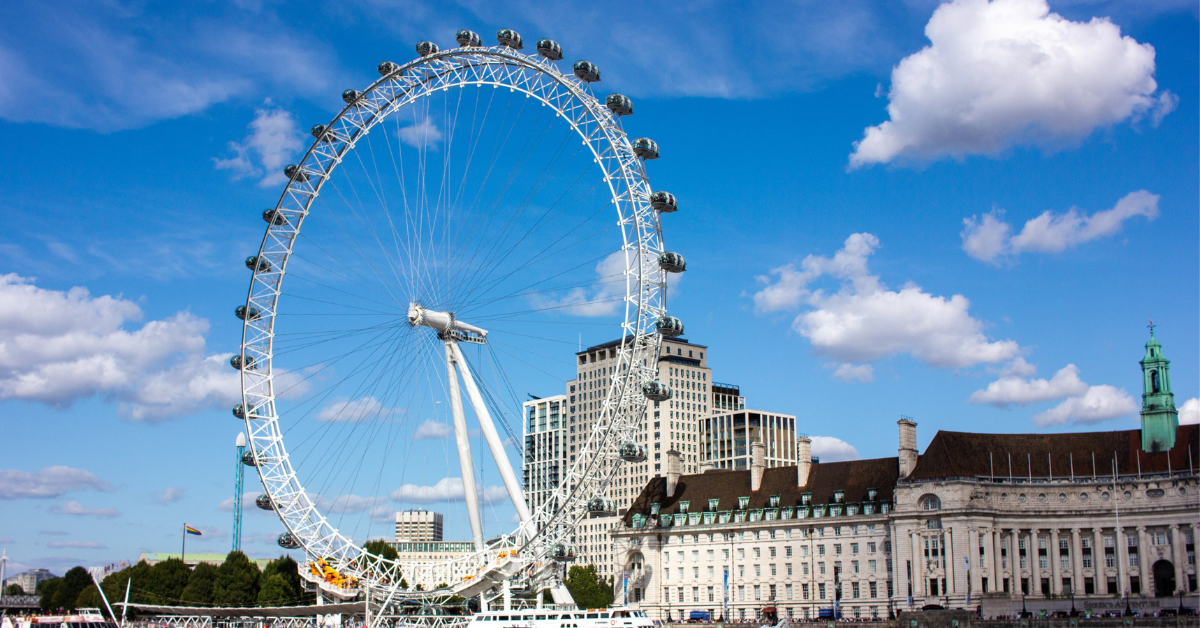
1. Explore London
The capital city of England is an amazing place The city that I loved to explore the most. It packs a lot of history, artistry, and culture into its urban frame! Centre of debate and many stories, you can almost hear the tales of the past, walking the streets you start to feel the lives of the ones that used to inhabit this world. From the medieval Tower of London to royal Buckingham Palace, every landmark has its tale to tell. From the British Museum to London Eye views, the Big Ben chimes to Westminster Abbey splendour, the Shard’s modern wonder to Covent Garden vibrancy are all part of London’s special LynchMarch. Exploring London is not only about the attractions but rather about going out of your comfort zone and letting yourself be enriched and inspired by all the possibilities it has to offer.
2. Brighton Beach Escape
The arrival of the railway in 1841 opened up Brighton to generations of daytrippers travelling from London. Top sights are the pebble beach, the vibrant Brighton Pier arcade and the Royal Pavilion — but the city is also packed with pubs and clubs for anyone seeking a continental, party-going type of night.
3. Discover the magic of Cornwall!
Known for its stunning coastline, picturesque beaches, ancient castles, alluring gems, spectacular walking paths, and traditional towns and villages, it’s no wonder why Cornwall in the southwest of England is a popular spot for British vacationers. I can remember my first drive to Cornwall — sand in between my tippy toes, climbing old castles and trails that led to the edge of the Earth. It was a personal quest to get away and enjoy natural beauty with open eyes. So whether you are a hiker, surfer, foodie, beach bum, history buff or nature lover there is certainly a piece of Cornwall that will sing to you ❤ Do not skip the opportunity to go and see this marvellous place. May Cornwall inspire you, as it did for me, to live this life to the fullest and cherish every step of the way.
4. Discover the Splendor of The Lake District:
A gem in the crown of British national parks: The Lake District has England’s Largest National Park, and is a UNESCO World Heritage site. This place blew me away with its beauty, it is located in the north of England, just an hour from the border with Scotland. Lakes created from the last ice age, between U-shaped valleys carved by retreating glaciers — a natural paradise. The Lake District has far more to offer natural lovers than views (although they are incredible). Picture hiking past mountain passes and doing village touring, or even relaxing yourself at the shores of Lake Windermere. Come & Enjoy This Beautiful Place & Cherish The Moment.
5. Visit Bath:
Located in the heart of Somerset, Bath presents a captivating mix of history, architecture, and culture. Take a leisurely walk through its graceful streets and admire the beautiful Georgian buildings, all glowing in the city’s distinctive honey-hued stone. Dive into the past at the Roman Baths, where ancient waters continue to flow. On the other hand, the Thermae Bath Spa provides a contemporary take on relaxation, featuring a rooftop pool with breathtaking views. Be sure to visit the impressive Bath Abbey, the famous Pulteney Bridge, and the elegant curve of the Royal Crescent. As you wander, it becomes clear why Bath inspired Jane Austen, whose influence is celebrated throughout the city. Bath beckons you to discover its enduring charm, from historical treasures to literary enchantment.

Bath Historic Architecture
Unveiling England’s Hidden Gems: Must-Visit Spots
Off the Beaten Path
England is filled with amazing hidden treasures just waiting to be discovered. Imagine to experience the taste of royalty, exploring beautiful historic landmarks, or simply wanting to relax on stunning beaches, indulge in the breathtaking views, conquering fantastic hiking trails, and ending your day at a charming pub with a drink in hand.
From lively cities to serene countryside retreats, England provides a little something for every type of traveler. So, are you ready to explore all that England has to offer? Let’s embark on this adventure!
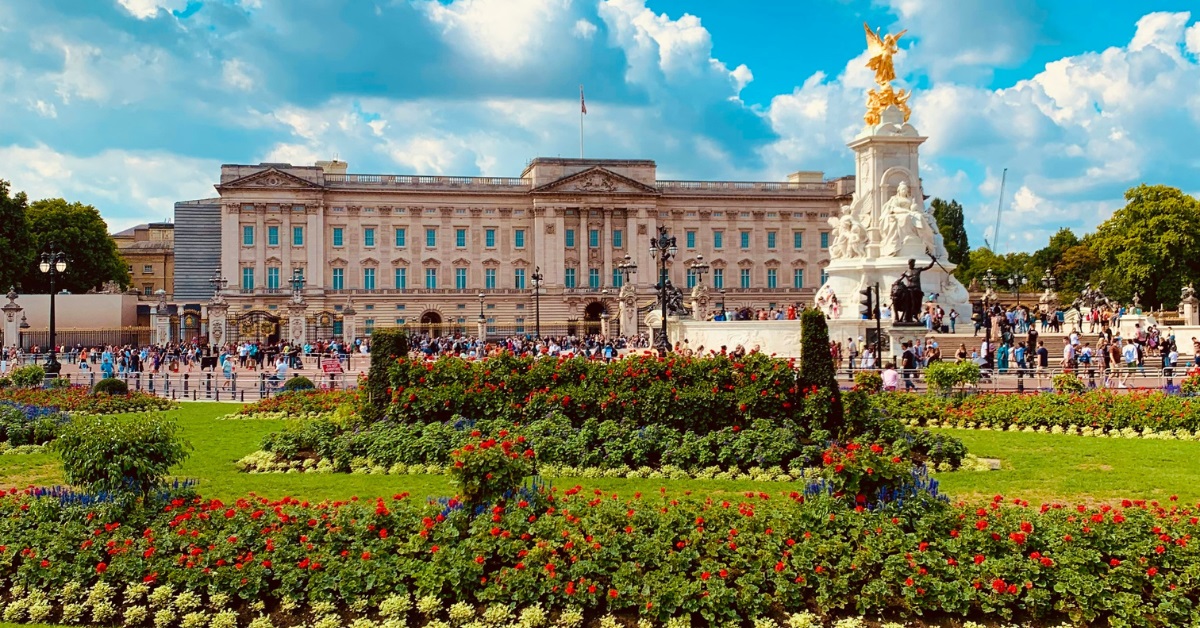
1. Visit Royal Icon – Buckingham Palace
Buckingham Palace is more than just a building; it’s an experience waiting to unfold. As the official London residence of His Majesty The King, it’s one of the last working royal palaces in the world. Imagine yourself walking through history, feeling the echoes of grand receptions and historic moments.
With 775 rooms, Buckingham Palace is a vast maze of grandeur and history, each corner filled with elegance. I still remember my first visit—the feeling of awe as I stepped into the State Rooms, each one beautifully decorated and still alive with history, hosting official functions to this day. It felt like stepping back in time, especially in the Throne Room, famous for its royal wedding photos. And who could forget the breathtaking Grand Staircase, a true masterpiece on its own. Art lovers will be thrilled by the fine art collection featuring works by Rembrandt, Rubens, and Van Dyck.
Every summer, the palace opens its doors for 10 weeks, and there are selected dates during winter and spring when you can explore its grandeur. Trust me, the experience is worth every moment. Check the Royal Collection Trust website for more details on events throughout the year.
If visiting inside isn’t an option, don’t miss the Changing the Guard ceremony outside Buckingham Palace. The free event starts at 10:45 am and lasts about 45 minutes. The actual handover is at 11 am, but arrive early to snag that perfect spot.
Buckingham Palace is more than just a tourist attraction; it’s a journey through British history and culture.
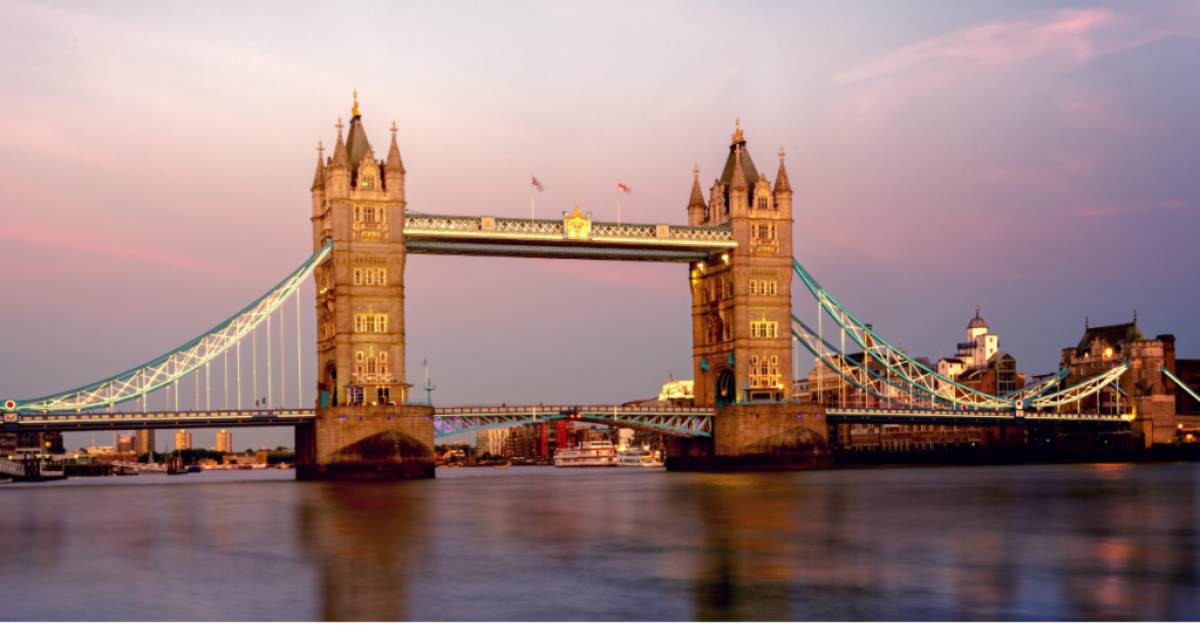
2. Visit the Tower of London
The Tower of London, located on the north bank of the River Thames, is a remarkable site filled with history and must-see attractions. When I first saw the stunning Crown Jewels the sparkle was almost blinding and their brilliance was almost overwhelming, and wandering through the ancient White Tower felt like a journey back in time.
Participating in a guided tour with the Yeoman Warders, or Beefeaters, was definitely a highlight. Their captivating stories about the Tower’s history as a royal palace, prison, and execution site were both eye-opening and humbling. And oh, the ravens! Legend has it, if they ever leave, the Kingdom will fall. The nightly Ceremony of the Keys added an enchanting touch to my experience. Reaching the Tower is easy via Tower Hill Station. Be sure to set aside time in your schedule to explore this UNESCO World Heritage Site. It’s not just a tourist destination; it’s a deep dive into Britain’s rich history. Believe me, it’s an experience you won’t want to miss.
3. Discover the vibrant city of musical heritage – Liverpool!
Liverpool has amazing museums, but as the World Capital City of Pop, its biggest attraction is the music, especially The Beatles. The Beatles Story Museum is packed with memorabilia and info about the iconic band from Liverpool. Besides music, the city offers a rich history, vibrant culture, and lively pubs and clubs, so there’s plenty more to explore and enjoy.
4. Tour to Oxford
Oxford — the “City of Dreaming Spires” — has been one of my eternal favourites. An impressive atmosphere is created by its well-known university, historical buildings, and a lively variety of cultural activities. Imagine climbing up St Marys Church Tower and looking over all the majestic colleges in Oxford – its a view you never forget. Next, explore different parts of the city on foot; the city is designed for pedestrians and you can go around in circles multiple times and see something new at every corner. Among the oldest in Britain are the University Botanic Garden and the Ashmolean Museum. Take your nose to the Covered Market for picnic provisions, either to eat on a punt or at the University Parks. Iffley as well as the trendy Cowley shops and music venues Find and visit the quaint 12th-century village church of Iffley and trendy shops and music venues in Cowley This unique blend of medieval beauty and modern infrastructure makes Oxford an interesting place to live and travel where the past is entwined with the future either in the age-old university, the people never forget to experience a punt or you may explore unique attractions hidden in the historic streets.
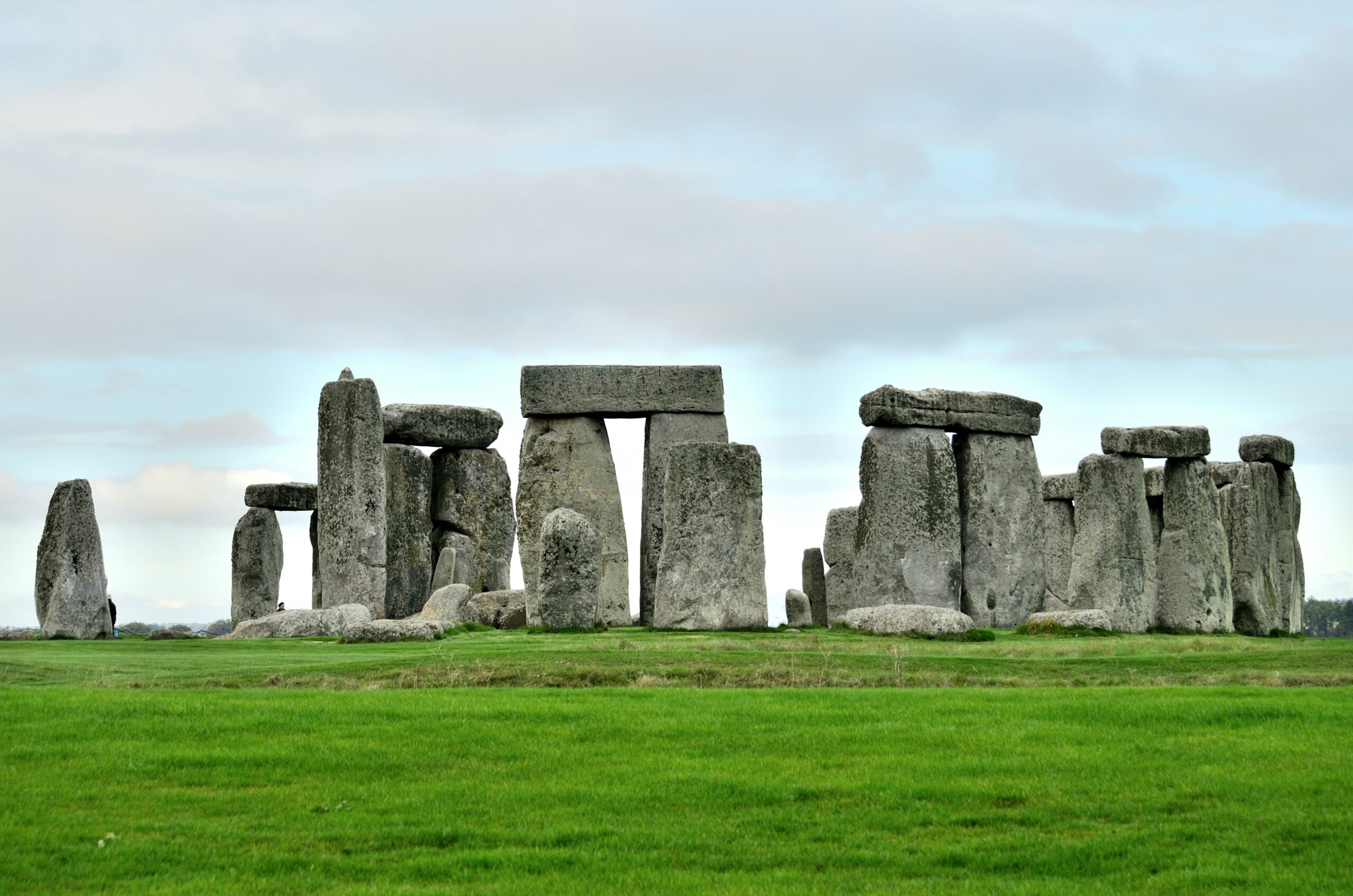
5. See Stonehenge
Stonehenge, located in Wiltshire, England, is one of the world’s most iconic and mysterious prehistoric monuments. This UNESCO World Heritage Site, dating back over 4,000 years, consists of a ring of massive standing stones, each around 13 feet high and weighing approximately 25 tons.
While exploring the site, I wonder about all the theories regarding its original purpose. Was it an astronomical observatory? A sacred religious site? The possibilities are as boundless as your imagination. The on-site visitor centre is a treasure trove of discovery, with exhibitions showcasing archaeological finds and a 360-degree audio-visual experience that truly brings Stonehenge to life through the ages.
Getting there is a breeze, whether you drive or take a bus from Salisbury. Stonehenge is waiting to captivate and inspire you with its enduring mysteries.
6. Visit the charming Cotswolds
With quaint villages, gently rolling hills, and all the quintessential English charm one might expect, it’s the kind of place that, when I visit, feels as if I’m walking through a pages of storybook. The Cotswolds is spread over several counties including Gloucestershire and Oxfordshire and is filled with honey-coloured stone cottages, rolling hills and ancient market towns that leave you exploring and wandering.
Bourton-on-the-Water, famous pris the “Venice of the Cotswolds” signature gorgeous bridges and waterways. Wandering through the village, I felt like I was walking in a dream. If walking or cycling is your thing then the area also has plentiful to offer with a number of trails including the Cotswold Way. It was unforgettable — and the views of the surrounding land seen from the trail amazing. Included are local sights such as Sudeley Castle and Blenheim Palace, which have interesting historical stories surrounding them both.
From quaint local pubs to tea rooms and artisan shops, this area is full of charming surprises that make it feel like a secret spot that locals decided to keep to themselves. The Cotswolds, close enough to London and other major cities to make it the ideal refuge for anyone attempting to break free of their box, and expose themselves to the splendour of one of the loveliest and photogenic parts of England.
Not a location you visit but a destination in memory — long after the journey has ended.
7. Explore York
York is a historic city in northern England, known for its well-preserved medieval architecture and rich history going back to Roman times. You can stroll through the narrow, cobbled streets of the Shambles, lined with timber-framed buildings, and check out the impressive York Minster, one of the largest Gothic cathedrals in Europe. The city’s ancient walls offer a scenic walk with great views, while the Jorvik Viking Centre gives an immersive look into York’s Viking past. Don’t miss the National Railway Museum, home to iconic locomotives, and Clifford’s Tower, which offers stunning city views. With its historic charm, vibrant shopping, and diverse dining options, York promises a delightful and enriching experience for everyone.
8. Experience the breathtaking harmony in Wales
Wales, a country known for its striking landscapes, rich history, and vibrant culture, offers a diverse array of experiences from north to south. The contrast between North and South Wales adds to the country’s charm, with each region providing unique attractions and activities.
North and South Wales each offer distinct and captivating experiences. Whether you’re drawn to the rugged mountains and historic castles of the north or the vibrant cities and stunning coastlines of the south, Wales promises a rich and diverse travel experience.
9. See Manchester
Manchester is famed for its soccer team and music scene, i highly recommend a visit to Manchester United’s home stadium with over 74,000 seats, it is the largest club football stadium in the UK and the 11th largest in all of Europe. The tour is awesome and takes you below the stadium seating into the player’s lounge, and even into the pitch-side dugout. Dig deeper into some football (aka soccer) history at the onsite museum. Admission is 35 GBP.
10. Enjoy the festivals
England hosts tons of festivals celebrating its culture, music, and traditions. Take Glastonbury Festival, for example—massive and legendary, it’s all about music and arts down in Somerset. Then there’s the Edinburgh Festival Fringe up in Scotland, but it’s so big that lots of English folks get in on the action too. And don’t forget the big Pride parties in London, Brighton, and Manchester—they’re huge! But seriously, every city and town across the UK has its own festivals going on. There’s always something fun to check out!
11. Visit the colleges at Cambridge University
Cambridge University, similar to Oxford, is made up of various colleges. Founded back in 1209, it’s got a ton of stunning buildings that you can check out all over the city. You’ve got to see the impressive King’s and Queen’s Colleges, plus the famous courtyards at St. John’s and Trinity they’re seriously cool. If you’re into learning some history, they’ve got guided walking tours, and get this—some are even led by students who know their stuff. The tours usually run about 90 minutes and cost around 20 GBP, which isn’t bad for getting the full scoop on this super old university town.
12. Escape to the Peak District
Nestled in the heart of England, the Peak District is a haven for adventurers and nature enthusiasts alike. Its breathtaking landscapes, encompassing rolling hills, deep valleys, and dramatic moorlands, offer endless opportunities for exploration and discovery. Whether you’re keen on hiking, cycling, or simply soaking in the scenery, the Peak District delivers in spades.
Start your journey at the rugged beauty of Stanage Edge, where panoramic views await those who brave the climb. For something a little gentler, the Monsal Trail provides a picturesque route through tunnels and over the iconic viaducts that blend seamlessly into the landscape. History buffs can delve into the rich past at Chatsworth House, the grand estate of the Duke and Duchess of Devonshire, or explore the mysterious caverns of Castleton, known for their captivating underground wonders.
Don’t miss the charming villages dotted throughout the region, each offering a slice of traditional English life. Bakewell, home of the famous tart, and Edale, the starting point of the Pennine Way, welcome visitors with open arms and delightful local fare. Each visit to the Peak District guarantees not only unmatched natural beauty but also an unforgettable experience that inspires and rejuvenates the soul.
13. Visit Windsor Castle
I recently spent a weekend in Windsor, one of the top getaways near London for people of all ages, and it’s easy to see why. Wandering through this city steeped in history, where the British royal family resided for nearly 1,000 years, felt like stepping back in time. The compact size makes it perfect for exploring on foot at a leisurely pace.
I couldn’t resist visiting the iconic Windsor Castle. Every corner of the Old Town had a story to tell. For those with kids, Legoland Windsor Resort is a must-visit. And don’t miss out on the chance to frolic and unwind at Windsor Great Park. Each moment in Windsor was like adding a new chapter to my own story, full of discovery and growth. If you haven’t been yet, I encourage you to step out and immerse yourself in the rich tapestry of experiences Windsor offers.
14. See Bristol
There’s so much to see in Bristol! Check out Wapping Wharf, a cool new area made of shipping containers filled with a mix of eateries and bars. Track down some street art at Stokes Croft, walk across the iconic Clifton Suspension Bridge, shop at the Old Market, and much more.
With plenty of art galleries and creative spaces, Bristol is a cultural enthusiast’s dream—explore it all with these walking tours. If you’re visiting in the summer, don’t miss the Foodies Festival, a fantastic mix of food, music, performances, and workshops.
England Travel Cost
 Travelling around England can be a delightful yet varied experience when it comes to budget. From charming countryside getaways to bustling city adventures, here’s a quick rundown to help you plan your expenses wisely:
Category | Budget |
Accommodation | The cost of lodging can swing significantly depending on your preference. Comfortable hostels or budget hotels range between £20-£50 per night. Mid-range hotels can set you back around £70-£150. Luxury accommodations might cost upwards of £200 a night. |
Food Drinks | A meal at a simple pub or café might cost between £5-£15 while dining at a mid-range restaurant can be about £20-£35 per person.Don't forget to indulge in some traditional fish and chips, which is usually around £8. Beer is around 6 GBP while a latte/cappuccino is 3-3.50 GBP. Bottled water is about 1.20 GBP. A week’s worth of groceries, costing around 40-60 GBP, is all you need to fuel your adventures. I remember filling my basket with basics like rice, pasta, veggies, and some meat, ready to conquer the world. For those on a budget, Lidl, Aldi, Sainsbury’s, and Tesco became my go-to spots. |
Transport | Transportation costs in England can vary widely based on your chosen mode of transport, the distance you’re travelling, and how far in advance you book. Public transport is often the most cost-effective solution, especially in larger cities. Consider purchasing travel cards or passes for unlimited travel within specific areas or time frames to save money. Bus- Day Pass costs around £5 to £7. Car Rental costs average between £30 to £60 per day. Long-distance coach services prices range from £5 to £20. |
Attractions | Museums & Galleries - Free Entrance to the popular Tower of London or Stonehenge cost between £20-£30. |
Miscellaneous | To cover other expenses such as local SIM cards, shopping for souvenirs, and occasional splurges, it’s wise to set aside an additional £10-£30 per day. |
Where to Stay in England
For budget-friendly and moderately priced accommodations in England, several options provide both affordability and a comfortable stay. Here are a few locations and types of accommodations popular among travelers
How to Move Around in England
 Navigating through England is an adventure in itself, brimming with charm and historical richness at every turn. Whether you’re travelling by train, bus, car, or on foot, there’s a certain romance to exploring this beautiful country. Here’s a handy guide to get you started on your English escapade.
Trains
England’s rail network is extensive, linking major cities, quaint villages, and stunning countryside seamlessly. The National Rail Service provides frequent trains, allowing you to travel comfortably and efficiently. High-speed routes like the one from London to Manchester or Edinburgh offer a quick and scenic way to traverse long distances. For a more leisurely journey, Hop on a regional train and enjoy a leisurely journey through beautiful landscapes—you’ll be amazed by the breathtaking scenery along the way.
The Oyster Card is a must-have for seamless travel in and around London. If you’re planning to visit several regions, consider the BritRail Pass, which offers great value for unlimited train travel on the national network.
You can use the National Train Website or Trainline to research schedules and prices.
Buses and Coaches
Buses and coaches are another fantastic way to see England. Local buses serve cities and towns extensively, while long-distance coaches operated by companies like National Express and Megabus connect major cities and tourist attractions. These services are often more budget-friendly than trains and offer the added advantage of stopping in more remote areas.
City bus services in London, such as the iconic double-deckers, are not just a mode of transport but a part of the Classic British experience. Most cities have excellent bus networks, making it easy and cost-effective to explore urban areas.
Flying
Flying between popular cities in England is convenient and fairly economical, thanks to a variety of airlines offering domestic routes. British Airways, easyJet, and Ryanair operate routes that connect major cities, often within an hour or two of flight time.Below is a general guide for some common routes and typical fares; however, prices fluctuate based on season, availability, and how early you book.
|
Route |
Airlines |
Average Fare (One-Way)
|
Flight Time |
|
London to Manchester |
British Airways, easyJet
|
£50 – £90 |
~1 hour
|
|
London to Edinburgh |
British Airways, easyJet
|
£60 – £100 |
~1.5 hours |
|
Manchester to Belfast |
easyJet, Ryanair |
£40 – £80 |
~1 hour
|
|
Birmingham to Glasgow |
easyJet, Loganair |
£45 – £85
|
~1.5 hours |
|
London to Newcastle |
British Airways, easyJet
|
£50 – £95 |
~1 hour
|
For more budget-friendly options, consider booking with easyJet or Ryanair, which often offer lower fares for flights from London to cities like Belfast, Newcastle, and Edinburgh. For longer routes within England or flights to Northern Ireland or Scotland, you may find direct services from both major hubs and regional airports like Bristol, Liverpool, and Leeds-Bradford, making it easier to reach more remote areas affordably
Driving
For those who crave the freedom of the open road, hiring a car is a thrilling option. England’s road network is well-maintained, and driving allows you to explore at your own pace. Embark on epic road trips, like the scenic drive through the Cotswolds or the dramatic coastline of Cornwall.
Car hire services are readily available at airports and major cities. Just ensure you’re prepared for narrower country lanes and occasional congestion in urban areas. Also, be mindful of parking rules and charges, especially in city centres.
Renting a car in England can be an economical choice, with multi-day rentals priced as low as 20-30 GBP per day. Don’t forget you have to drive on the left, and most cars are standard rather than automatic. Additionally, drivers need to be at least 21 years old to rent a vehicle here.
For the best car rental prices, use Discover Cars.
Cycling
Embrace the spirit of adventure by cycling through England’s diverse landscapes. The country boasts a plethora of cycling routes, from leisurely rides through the countryside to challenging trails in the Lake District. Cities like London, Cambridge, and Oxford have robust cycling infrastructure, with bike-sharing schemes like Santander Cycles for convenient short-term rentals.
Cycling allows you to discover hidden gems and connect intimately with the region’s natural beauty. Just be sure to wear a helmet, use lights and reflective gear (especially at night), follow traffic signs and signals and adhere to local cycling regulations for a safe journey.
Walking
England is a walker’s paradise, with countless trails crisscrossing its scenic landscapes. From the rugged paths of the South West Coast Path to the historical Hadrian’s Wall Path, there’s a walking route for every adventurer. Urban explorations are equally rewarding—strolling through cities like Bath, York, and Chester offers a deep dive into their rich cultural and historical tapestry.
Each walk, whether a short city ramble or a multi-day hike, promises new discoveries and unforgettable experiences.
|
City |
Notable Pedestrian-Friendly Areas |
|
London |
South Bank, Covent Garden |
|
York |
The Shambles, City Walls |
|
Bath |
Royal Crescent, The Circus |
|
Oxford |
High Street, Broad Street |
Planning Multi-Modal Journeys
Combining different transportation methods
When exploring England, you’ll often find that combining various modes of transport is the most efficient way to reach your destination. You might start your journey with a train ride, followed by a bus trip, and finish with a short walk. This approach allows you to take advantage of each method’s strengths while minimizing their limitations.
Using journey planning apps and websites
To make your multi-modal journey seamless, leverage technology to your advantage. Here are some popular apps and websites you can use:
- National Rail Enquiries
- Google Maps
- Citymapper
- Trainline
These tools help you plan your route, provide real-time updates, and often offer ticketing options.
Purchasing multi-mode travel passes
Investing in multi-mode travel passes can save you both time and money. Consider these options:
|
Pass Type |
Coverage |
Best For |
|
BritRail Pass |
Train travel across England |
Long-distance travelers |
|
London Travelcard |
Public transport in London |
City explorers |
|
Regional passes |
Specific areas (e.g., Yorkshire) |
Local adventurers |
Exploring England’s diverse transportation options offers you a rich and convenient travel experience. From the extensive public transport network to the freedom of driving or cycling, you have numerous ways to navigate this beautiful country. Remember that each mode of transport has its advantages, allowing you to tailor your journey to your preferences and needs.
As you plan your travels around England, consider combining different transportation methods to make the most of your trip. Whether you’re hopping on a train to cover long distances, renting a car to explore rural areas, or walking through charming city centers, embracing the variety of options will enhance your adventure. With careful planning and a willingness to try different modes of transport, you’ll discover that moving around England can be an enjoyable and integral part of your overall experience.
Best Time to Visit England
England is a year-round destination, with each season offering its own unique charm and experiences. Here’s a breakdown of the best times to visit, including highlights for each season to help you plan your trip.
Spring (March to May)
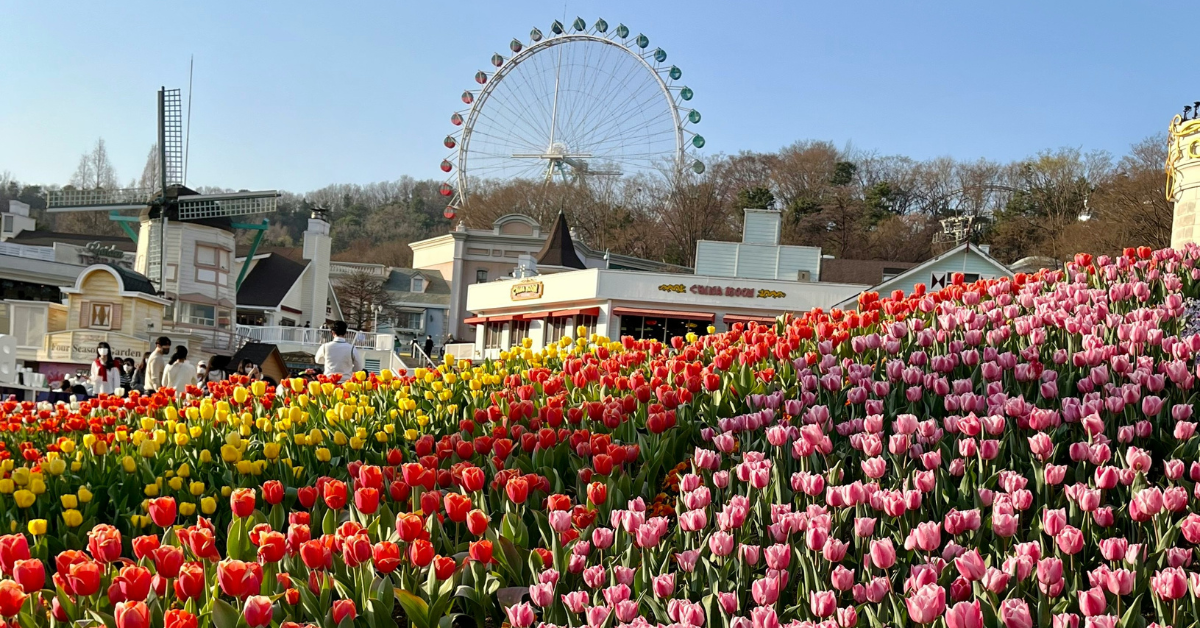 Spring is a delightful time to visit England. The weather is mild, gardens begin to bloom, and countryside landscapes are vibrant with fresh greenery. Events such as the Chelsea Flower Show in May attract horticulture enthusiasts from around the world, while the changing seasons offer ideal conditions for walking tours and outdoor explorations. However, keep in mind that spring is also the peak tourist season, so expect larger crowds and higher prices. This season is perfect for nature enthusiasts and garden lovers.
- Greenwich Blossoms: Head to Greenwich Park in London to witness the beautiful cherry blossoms that create a stunning pink canopy.
- Tulip Gardens: Visit the annual tulip displays at Pashley Manor Gardens or the renowned tulip fields in the Norfolk region.
- Lavender Fields: Although the peak bloom is in summer, some early lavender fields begin to show their colours by late spring.
Summer (June to August)
 Summer is the peak tourist season in England, with warm temperatures and long days providing ample opportunities for exploration.
- Strawberry Farms: Enjoy strawberry picking at farms across the country, such as Garsons Farm in Surrey or Cheddar Valley Strawberries in Somerset.
- Coastal Trips: Head to Cornwall or Devon for sandy beaches and charming seaside towns. The South West Coast Path offers breathtaking views and invigorating hikes.
- Festivals and Events: Summer is packed with outdoor events, from music festivals like Glastonbury to the Wimbledon tennis tournament.
Autumn (September to November)
Autumn brings a tapestry of golds, reds, and browns to England’s landscapes, making it a fantastic time for scenic drives and cozy pub visits.
- Countryside Walks: Explore the Lake District or the Cotswolds, where the autumn foliage transforms the landscape into a picturesque wonderland.
- Harvest Festivals: Participate in local harvest festivals celebrating the autumn bounty with food, music, and traditional activities.
- Lavender Gardens: Late summer’s lavender fields—although not in peak bloom—still provide a tranquil setting and aroma that lingers into early autumn.
Winter (December to February)
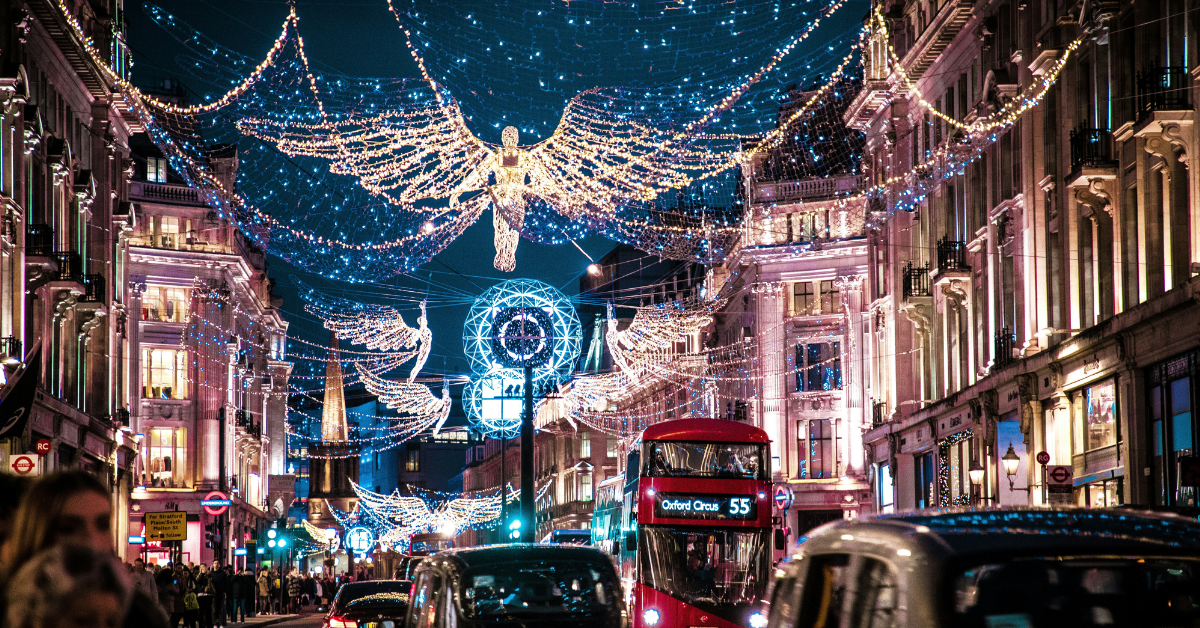 Winter in England is magical, with festive Christmas markets, cozy pubs, and a charmingly cool atmosphere.
- Christmas Highlights: Winter in England offers a magical experience, especially during the Christmas season. Towns and cities transform into winter wonderlands with festive decorations, Christmas markets, and ice skating rinks. Highlights include the Christmas markets in cities like London, Bath, and Manchester, where you can shop for unique gifts, sip on hot mulled wine, and soak in the festive atmosphere. Don’t miss out on London’s Hyde Park Winter Wonderland or the enchanting Light Trail at Kew Gardens. Even smaller towns celebrate with their own quaint Christmas events that fill the air with a magical spirit. For an enchanting seasonal spectacle, gazing at the beautifully lit-up historical landmarks and castles, like Warwick Castle and Leeds Castle, is a must.
- Historic Sites: Visit historic sites and stately homes adorned with Christmas decorations, such as Blenheim Palace or the traditional celebrations at Warwick Castle.
- Special Events: Ring in the New Year with fireworks over the Thames in London or enjoy the Winter Lights Festival in Kew Gardens.
England’s diverse attractions promise a memorable visit year-round, brimming with adventure, discovery, and unforgettable experiences.
Essential Packing List for your Trip to England

When traveling to England, it’s essential to pack for various weather conditions, cultural experiences, and activities. Here’s a comprehensive packing guide:
1. Clothing
- Layering pieces: England’s weather can change quickly, so pack items that are easy to layer.
- T-shirts or long-sleeve shirts
- Light sweaters or cardigans
- A warm jacket (for colder months)
- Raincoat or waterproof jacket
- Scarves, gloves, and hats (for winter)
- Comfortable walking shoes: You’ll likely do a lot of walking around cities or countryside areas, so bring sturdy, comfortable shoes.
- Sneakers or comfortable flats
- Waterproof shoes/boots (especially in fall and winter)
- Formal outfit: If you plan dining at a nicer restaurant or attending formal events.
- A dress or nice trousers with a blazer
- Weather-appropriate accessories:
- Umbrella (essential for rainy days)
- Sunglasses (for sunny days)
2. Travel Essentials
- Passport and Visa: Make sure they are up-to-date.
- Travel insurance details: Always carry a copy.
- Copies of important documents: Copies of passport, travel insurance, and reservation details.
- Credit/debit cards: Bring cards that work internationally, and inform your bank of your travel.
- Cash: Having British pounds (£) is useful for small purchases.
3. Electronics
- UK power adapter: The UK uses Type G plugs with a voltage of 230V, so pack the right adapter.
- Portable charger: For keeping your phone charged while on the go.
- Smartphone: For maps, travel apps, and communication.
- Headphones: Perfect for long flights or train rides.
- Camera: If you want to capture the scenic views.
4. Toiletries
- Basic toiletries: Shampoo, conditioner, toothpaste, etc. (You can buy these in England, but if you have preferred brands, bring them).
- Travel-sized hand sanitizer: Especially useful when sightseeing.
- Sunscreen: Even on cloudy days, UV rays can still be strong.
- Prescription medications: Bring enough for the duration of your trip and a copy of your prescription.
5. Weather-specific Gear
- Warm clothing (for winter): Thick coats, thermals, wool socks, and sweaters.
- Light clothing (for summer): T-shirts, shorts, and light dresses. Summer temperatures can be mild, but still, it’s good to be prepared.
6. Other Essentials
- Reusable water bottle: Tap water in England is safe to drink, so carrying a bottle can save you money.
- Guidebook or travel app: For local tips, maps, and information on attractions.
- Snacks: For long trips, especially on buses or trains.
7. Extras for Enjoyment
- Journal or notebook: For recording your travel memories.
- Books or Kindle: Perfect for downtime or long journeys.
- Travel pillow: For extra comfort on flights or train rides.
8. Health and Safety
- Masks: Some areas may still require them in crowded indoor spaces.
- Disinfecting wipes: For keeping surfaces clean.
Safety Guide for England Travellers
England feels incredibly safe, with a very low risk of violent crime. However, scams and pickpocketing can happen, especially in bustling areas like London around popular tourist spots such as the Tower of London. I once found myself navigating these crowded spaces, and I could see how pickpockets often work in teams, blending into the crowd. It’s a good idea to stay alert and aware of your surroundings. Keep your valuables secure and out of reach—it’s a small step to ensure your adventure remains worry-free.
General Safety
- Emergency Numbers: Dial 999 for police, fire, or medical emergencies. For non-emergencies, use 101 to contact the local police.
- Local Laws and Customs: Familiarize yourself with local regulations and customs. For instance, smoking is banned in public places, and penalties for drug possession are severe.
- Personal Belongings: Always keep an eye on your valuables, especially in crowded areas like tourist spots and public transport. Use a money belt or a concealed pouch for your important documents and money.
Health and Wellbeing
- Health Insurance: Make sure you have comprehensive travel insurance that covers health emergencies, unexpected illnesses, and accidents.
- Medical Services: The National Health Service (NHS) provides emergency medical care to visitors. However, non-urgent treatments may incur costs, so it’s advisable to have health insurance.
- Pharmacies: Pharmacies are easily accessible in towns and cities. Look for a sign with a green cross for a pharmacy where you can purchase over-the-counter medications.
Transportation Safety
- Road Safety: If driving, remember that traffic drives on the left-hand side of the road. Make sure to familiarize yourself with UK road signs and speed limits. Always wear a seatbelt.
- Public Transport: Use reputable transport services. When travelling by taxis, ensure they are licensed and preferably booked through a recommended app or official taxi ranks.
- Cycling and Walking: Wear helmets while cycling and follow local cycling regulations. Use pedestrian crossings for safety when walking, and avoid jaywalking.
Accommodation
- Accommodation Safety: Choose accommodations with good reviews and secure amenities. Always lock your doors and windows, and use hotel safes for valuables.
- Fire Safety: Familiarize yourself with the emergency exits and fire evacuation procedures in your accommodation.
Outdoor Activities
- Weather Preparedness: England’s weather can be unpredictable. Always check the weather forecast and dress appropriately. Carry an umbrella or raincoat for sudden showers.
- Hiking and Walking: Inform someone about your plans, especially if embarking on long hikes. Stick to marked trails and carry a map, compass, or GPS device.
Avoiding Scams
Be wary of common tourist scams which might include overpriced tours, counterfeit goods, or “too good to be true” offers. Stick to reputable companies for booking tours and avoid street vendors selling tickets. If in doubt, ask for recommendations from your accommodation’s concierge or a local tourism office.
By following these safety guidelines, you can ensure a secure and enjoyable journey throughout England, experiencing all it has to offer with peace of mind.