Scotland Travel Guide
Scotland is one of those destinations that just steal your heart the moment you enter the country—at least, that is what happened to me!
Welcome to Scotland, this stunning country is a perfect blend of breathtaking landscapes, rich history, and warm hospitality. About 5.5 million people live there, so it’s not too crowded, but there’s always someone friendly to meet.
Picture yourself walking through valleys when everything is misty and mystical, viewing ancient castles that surely have a million tales to tell, and maybe taking a sip of their signature drink (whisky!), while listening to entertaining tales about gallant knights and mythical creatures.
Whether you like taking gorgeous pictures of the great outdoors, reading about the old kings and queens, or simply hanging out with nice people, Scotland’s got something waiting for you. It’s so much of an adventure, and I’m just so excited to tell you about all the best things to do there!
So, grab a cup of tea (or a dram of whisky), and let’s dive into the essential information that will transform you from a curious traveller to a Scotland-savvy explorer. We’ll tell you the best time to travel, the can’t-miss spots, transportation, where to stay, where to eat and drink, the cultural sites you don’t want to miss, outdoor activities for the adventure lover, and some insider tips and tricks to get your trip underway. And, we’ll provide some insider knowledge and day trip ideas that will take your Scottish adventure to new heights. Ready to embark on a journey of a lifetime? Let’s begin!
Must-Visit Destinations
Explore Edinburgh’s Historic charm and cultural landmarks
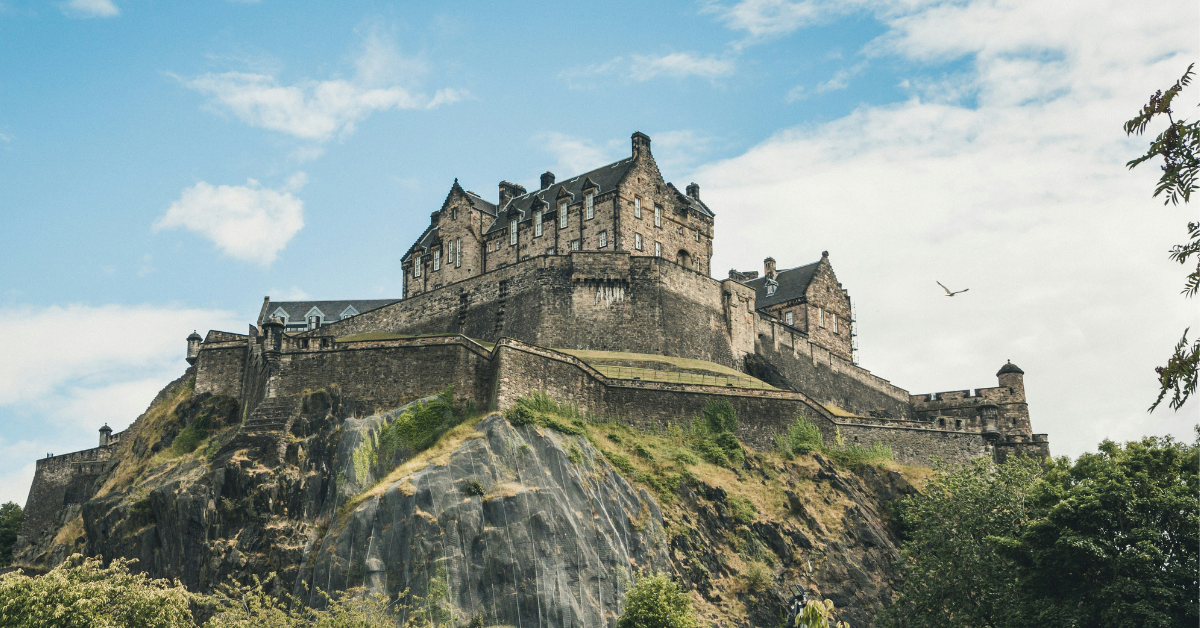 The moment you step into Edinburgh, you get the feeling that you have travelled back in time—but with a modern twist! Scotland’s capital city is a perfect blend of ancient history and modern dynamism.
Your first stop must be the renowned Edinburgh Castle, It’s like this gigantic, actually very old fort sitting atop an extinct volcano, and it dominates the whole city. Seriously, the scenery is stunning!
Next, you can walk along the Royal Mile, basically the main shopping street of the old town. This ancient road stretches from Edinburgh Castle to Holyrood Palace, the official Scotland residence of the British monarch. You’ll walk through charming shops, yummy restaurants, and small side streets that look like they’re from a knights and princesses film.
For an authentic cultural experience, plan your visit to coincide with the Edinburgh Fringe Festival. It’s held annually and transforms the city into the world’s largest arts festival with thousands of shows in hundreds of venues. Think of side-splitting comedians, stunning plays, fantastic music, and dancers. It’s the world’s biggest art party, and there is something you’ll love for certain!
Don’t miss these Edinburgh highlights:
- Hike Arthur’s Seat: Hike to the summit of this ancient volcano for breathtaking views of the city and the surrounding area.
- National Museum of Scotland: Learn about Scotland’s history and culture through engaging exhibits and interactive displays. It is also famous for its national collections of Scottish archaeological discoveries and medieval sculptures.
- See Scott Monument: Climb this Victorian Gothic monument to Sir Walter Scott for spectacular views of Princes Street Gardens and the New Town.
- Visit The Royal Yacht Britannia: A testament to British maritime heritage, Step aboard the royal yacht that once operated as a mobile palace for the British royal family.
- Visit Calton Hill: Edinburgh’s most iconic landmark, which offers a breathtaking panoramic view of the city. It is where ancient monuments such as the National Monument and the Nelson Monument are located, and hence a must-go location for history enthusiasts and photography aficionados alike.
- Visit the Palace of Holyroodhouse: It is located at the close of Edinburgh’s Royal Mile, and is the official residence of the British monarch in Scotland. Teeming with history, it is a spectacle of stunning architecture, charming gardens, and an array of royal treasures, giving visitors a glimpse of Scotland’s royal heritage.
- Live out the Scotch Whisky Experience: See the fascinating whisky-making process, hear about the regions of whisky, and taste some of the world’s finest Scotch whiskies.
Experience Glasgow’s Urban vibrancy and artistic flair
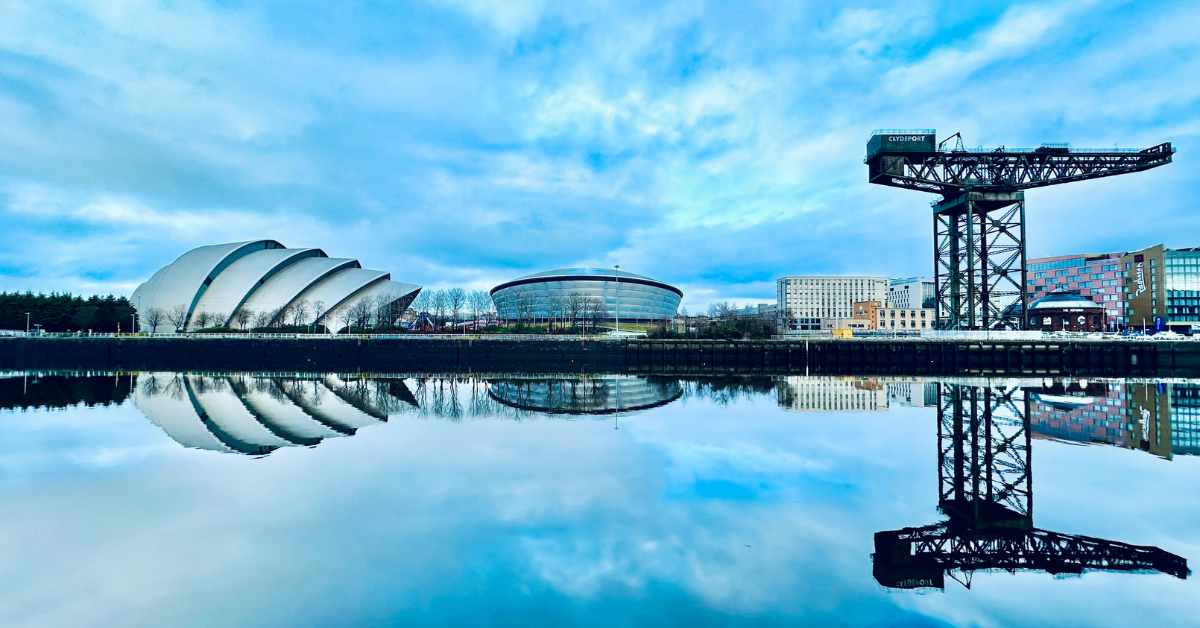 As you move from Edinburgh to Glasgow, you’ll notice a shift in atmosphere. Glasgow, Scotland’s largest city, offers a vibrant urban experience with a rich artistic and cultural scene. The city’s architecture beautifully reflects its journey through time, blending its rich industrial heritage with a vibrant creative spirit. Strolling through its streets, you’ll find a captivating mix of grand Victorian buildings standing alongside sleek, modern designs.
Your first stop should be the Kelvingrove Art Gallery and Museum, one of Scotland’s most popular attractions. This magnificent building houses an extensive collection of art and artifacts, including works by Salvador Dalí and Vincent van Gogh. The museum’s 22 themed galleries cover everything from natural history to Scottish history and culture.
If you love music, you’ve gotta check out the West End in Glasgow! It’s like the coolest part of town, with lots of places where bands play live, fun bars, and shops with really unique stuff. Think of it as where all the hip, artistic people hang out!
And get this – there’s this place called King Tut’s Wah Wah Hut, and it’s like a super important music spot. Loads of famous bands, like Oasis, played there when they were just starting ! So, if you go, you might just see the next big thing before they’re famous! It’s like going to a place where rock history was made.
Here are some must-visit attractions in Glasgow:
- Explore Glasgow Cathedral: Explore this stunning medieval cathedral, one of the few that survived the Scottish Reformation intact. Inside, you’ll find stunning stained glass windows, a vast collection of medieval stone carvings, and peaceful chapels.
- Discover the Riverside Museum: Glasgow’s rich transport heritage at this award-winning museum designed by Zaha Hadid and its futuristic wave-like structure makes it a landmark in itself!
- Visit The Lighthouse: Scotland’s Centre for Design and Architecture for panoramic views of the city and fascinating exhibitions.
- Glasgow Botanic Gardens: Stroll through these beautiful gardens and visit the Kibble Palace, a magnificent glasshouse filled with exotic plants. With plenty of open space, a playground for kids, and regular seasonal events, it’s a great place for families to explore.
- University of Glasgow: Stepping onto the University of Glasgow’s campus feels like walking into a real-life Hogwarts, with its breathtaking Gothic architecture and grand spires.
Explore the Enchanting Beauty of the Scottish Highlands: A Paradise for Outdoor Adventures
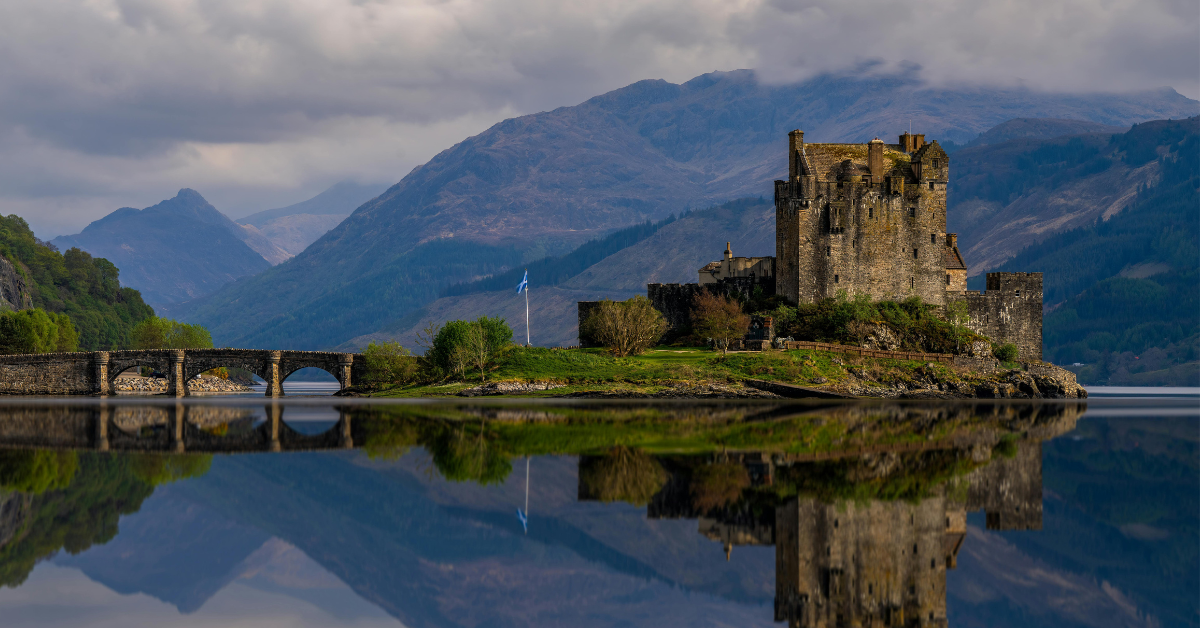 As you leave the urban landscapes behind and venture into the Scottish Highlands, you’ll be greeted by some of the most breathtaking scenery in the world. This rugged and wild region is a paradise for nature lovers and outdoor enthusiasts.
Your Highland adventure should begin in Fort William, which is like a super cute little town right next to a giant mountain called Ben Nevis – it’s the tallest mountain in the whole UK!
Imagine looking out and seeing huge mountains all around you and sparkly, calm lakes (they call them “lochs” in Scotland!). It’s like something out of a movie! As you travel around, you’ll see the most amazing nature ever! It’s all wild and beautiful, and you’ll totally understand why everyone loves the Highlands so much. It’s like stepping into a postcard!
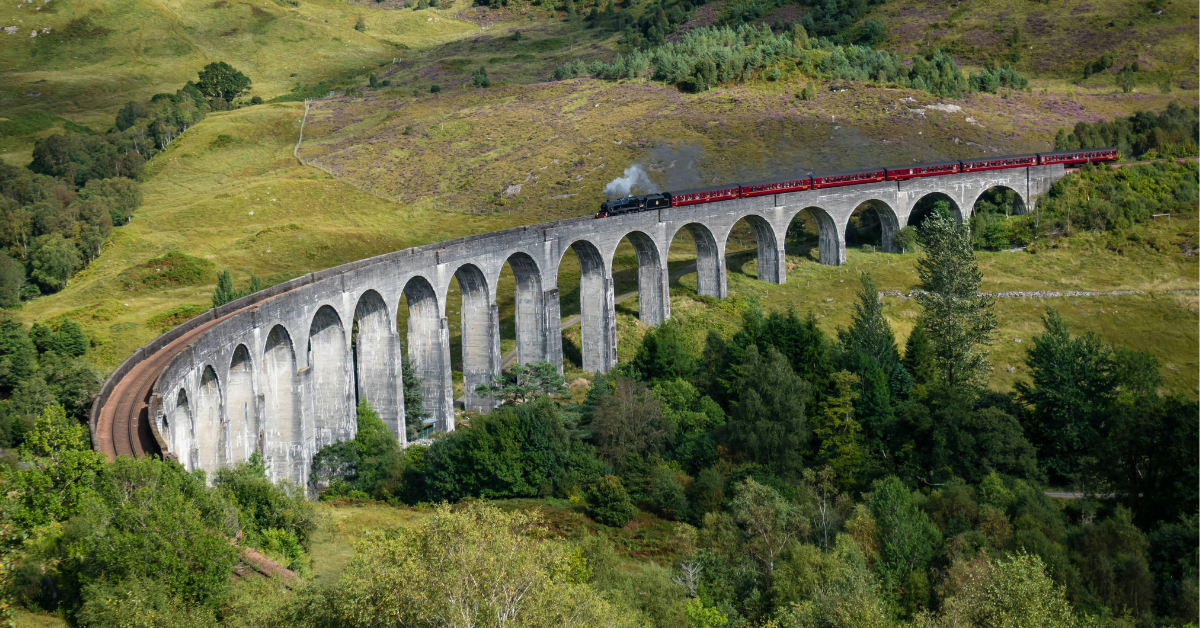
For a unique experience, take a ride on the Jacobite Steam Train, better known as the Hogwarts Express from the Harry Potter films. This scenic journey takes you from Fort William to Mallaig, crossing the iconic Glenfinnan Viaduct and offering spectacular views of lochs, mountains, and coastal scenery.
Don’t miss these Highland highlights:
- Hike Ben Nevis: Challenge yourself with a hike up Britain’s highest mountain for unparalleled views of the surrounding landscape. If you are travelling with kids or family, you can also take a gondola ride (cable car). Drift effortlessly along the north face of the Aonach Mor, and enjoy awe-inspiring views of the Great Glen and Ben Nevis, and sometimes even the Inner Hebrides on clear days.
- Visit Cairngorms National Park: UK’s largest national park for a range of outdoor activities, from skiing in winter to hiking and mountain biking in summer. The park is also home to rare wildlife, including red squirrels and golden eagles.
- Visit Urquhart Castle: Urquhart Located on the banks of Loch Ness, and is one of Scotland’s most iconic and picturesque ruins. With its towering walls and stunning views over the loch, the castle is steeped in history, dating back to the medieval era. Once a powerful stronghold, it played a key role in Scottish history during the wars of independence. Today, it’s a popular spot for tourists, offering a glimpse into Scotland’s past and a chance to explore the ruins while enjoying the breathtaking scenery.
Visit Isle of Skye: The Breathtaking landscape
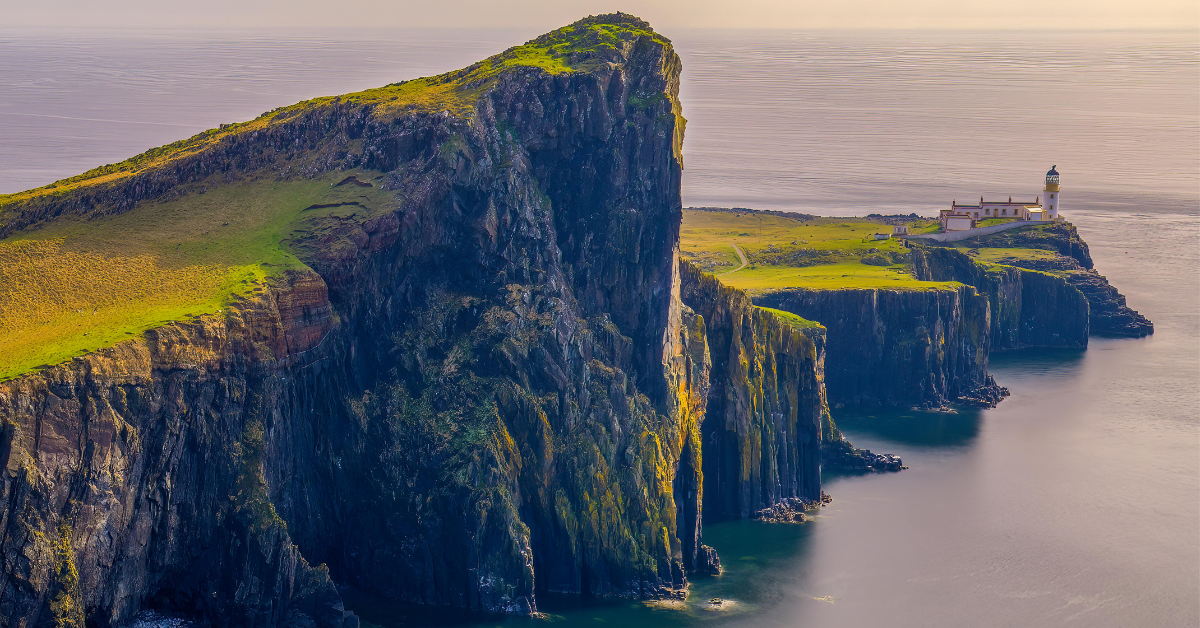
Your journey through Scotland wouldn’t be complete without a visit to the Isle of Skye. Connected to the mainland by a bridge, this island is renowned for its otherworldly landscapes, rich Gaelic heritage, and abundant wildlife.
Seriously, visiting the Isle of Skye feels like stepping onto another planet. The landscapes here are nothing short of mind-blowing. First up, the Cuillin Mountains – sharp, jagged, and utterly dramatic – are a dream for hikers and photographers alike. Then there’s the Quiraing, with its surreal rock formations that look like nature’s own sculpture park. And of course, the Old Man of Storr, one of Skye’s most iconic sights, standing tall and mysterious against the skyline. Trust me, your camera roll will fill up fast – every angle is a postcard moment.
Don’t miss the opportunity to visit the magical waterfalls and pools called Fairy Pools, a series of crystal-clear waterfalls and pools that seem straight out of a fairy tale.
If you want to see what life in Skye is really like, you should visit this town called Portree. It’s got this really cute harbour with colourful buildings, and there are these cozy pubs where you can hang out. You’ve gotta try some of the super fresh seafood they have there. And if you’re lucky, you might even get to see a ceilidh – that’s like a really fun, traditional Scottish dance with music! It sounds like a blast!
Here are some key attractions on the Isle of Skye:
- Visit Quiraing : A surreal landscape of landslips, cliffs, and hidden plateaus—this otherworldly spot is a must for hikers and photographers. It’s like walking through a fantasy film set!
- See Old Man of Storr: One of Skye’s most iconic landmarks, this towering rock formation is a favourite among sunrise seekers and adventurers. The hike up is totally worth the panoramic views.
- Taste Whisky at Talisker Distillery: The island’s oldest working distillery, Talisker offers a warm welcome and some seriously peaty whisky. A great stop for a cozy tasting with stunning coastal views.
- See Kilt Rock: Named for its resemblance to a pleated kilt, this dramatic cliffside is paired with Mealt Falls—a waterfall that plunges straight into the sea. A quick stop with big wow-factor.
- Don’t miss the Jurassic Dinosaur Footprints at An Corran: Yes, real dinosaur footprints! Found near Staffin Beach, these ancient tracks are a treat for history lovers and curious wanderers alike.
- Explore Armadale Castle: Set among lush gardens, the romantic ruins of Armadale Castle offer a glimpse into Skye’s clan history. It’s also home to the Museum of the Isles—perfect for a cultural dive.
Uncover the secrets of Loch Ness
As you make your way to Loch Ness, you’ll find yourself drawn into one of Scotland’s most enduring mysteries. This deep, freshwater loch is famous for its alleged monster, affectionately known as “Nessie.” The story really took off back in 1933, when a local couple swore they saw something huge moving through the water — rolling, plunging, then vanishing. That one sighting was all it took to spark a global obsession. While you may not spot the elusive creature, the loch’s beauty and surrounding attractions make it a must-visit destination.
Start your Loch Ness adventure at the Loch Ness Centre and Exhibition, where you can learn about the history of the loch and the various attempts to find the monster. For a different perspective, take a boat cruise on the loch itself. These tours not only offer stunning views of the surrounding Highland scenery but also use sonar equipment to search for any large underwater objects.
Don’t limit your visit to just monster-hunting. The area around Loch Ness is rich in history and natural beauty. Visit the ruins of Urquhart Castle, which offers beautiful views of the loch and has played a significant role in Scottish history.
For nature lovers, the nearby Glen Affric offers beautiful walking trails through ancient Caledonian pine forests.
Here are some activities to consider around Loch Ness:
- Visit the charming village of Fort Augustus at the southern tip of the loch
- Explore the Falls of Foyers, a stunning 140-foot waterfall on the loch’s eastern shore
- Take a scenic drive along the loch, stopping at various viewpoints for photo opportunities
- Visit the Loch Ness Brewery in Drumnadrochit for a taste of local craft beer
As you conclude your tour of Scotland’s must-visit destinations, you’ll have experienced the country’s diverse landscapes, rich history, and vibrant culture. From the historic streets of Edinburgh to the wild beauty of the Highlands, and from the artistic flair of Glasgow to the mythical allure of Loch Ness, Scotland offers a wealth of experiences that will leave you with memories to last a lifetime. Next, we’ll explore how to navigate between these amazing destinations with our transportation tips, ensuring you make the most of your Scottish adventure.
Transportation Tips
 Scotland offers a variety of transportation options to suit every traveler’s needs and preferences. Let’s explore the best ways to navigate the land of kilts and bagpipes.
A. Getting to Scotland
You have several options for reaching Scotland, depending on your starting point and preferences:
- By Air:
- Scotland has five main international airports: Edinburgh, Glasgow, Aberdeen, Inverness, and Glasgow Prestwick.
- Edinburgh and Glasgow are the busiest, with frequent connections to major European cities and some long-haul destinations.
- For US travelers, direct flights are available from cities like New York, Chicago, and Boston to Edinburgh or Glasgow.
- By Train:
- If you’re already in the UK, taking a train to Scotland can be a scenic and comfortable option.
- The East Coast Main Line connects London to Edinburgh in about 4.5 hours.
- The West Coast Main Line runs from London to Glasgow in approximately 4.5 hours.
- By Bus:
- Long-distance buses (coaches) are a budget-friendly option for reaching Scotland from other parts of the UK.
- National Express and Megabus offer services to major Scottish cities.
- By Car:
- Driving to Scotland from England or Wales can be an adventure in itself.
- The main routes are the M6 and A74(M) for western Scotland, and the A1 for eastern Scotland.
Here’s a comparison of these options:
|
Method |
Pros |
Cons |
|
Air |
Fastest for long distances |
More expensive, less eco-friendly |
|
Train |
Scenic, comfortable |
Can be pricey without advance booking |
|
Bus |
Budget-friendly |
Longer travel times |
|
Car |
Flexibility, ability to explore |
Fuel costs, parking challenges |
B. Navigating public transport
Once you’re in Scotland, you’ll find a well-developed public transportation system that can take you to most parts of the country
- Trains:
- ScotRail operates most train services within Scotland.
- Trains connect major cities and many towns.
- They’re generally faster than buses for longer journeys.
- Some routes offer stunning scenery (more on this later!).
- Ferries:
- Essential for reaching Scotland’s many islands.
- Caledonian MacBrayne (CalMac) operates most west coast routes.
- NorthLink Ferries serves Orkney and Shetland.
- Subway:
- Glasgow has a small subway system, useful for getting around the city center.
- Trams:
- Edinburgh has a tram line connecting the airport to the city center.
Tips for using public transport in Scotland:
- Consider purchasing a ScotRail Travel Pass for unlimited train travel.
- Use the Traveline Scotland website or app for journey planning across all modes of transport.
- In cities, contactless payment is often accepted on buses and trams.
- For ferry journeys to popular islands, book in advance, especially during peak season.
C. Renting a car: Pros and cons
Point-to-point driving is often the easiest and the most direct way to see the country and you’ll want a car to reach outlying areas or the Highlands. But it has its own difficulties. Now, let’s consider the pros and cons:
Pros:
- Flexibility: You can create your own itinerary and stop wherever you like.
- Access: Reach remote areas not served by public transport.
- Convenience: Carry more luggage and travel on your own schedule.
- Cost-effective for groups: Can be cheaper than public transport for families or small groups.
Cons:
- Driving on the left: If you’re not used to it, this can be challenging.
- Narrow roads: Many rural roads are single-track with passing places.
- Parking: Can be expensive and hard to find in cities.
- Fuel costs: Petrol (gasoline) is generally more expensive than in the US.
- Drinking limitations: Scotland has strict drink-driving laws, limiting your ability to enjoy whisky tastings.
If you decide to rent a car, keep these tips in mind:
- Book in advance for better rates.
- Ensure you’re comfortable with manual transmission or specifically request an automatic.
- Consider taking out full insurance coverage.
- Familiarize yourself with UK road signs and rules before driving.
D. Scenic train journeys
The country is home to some of the world’s most magnificent rail journeys. Even if you plan to travel mostly by other means, you may want to incorporate at least one of these in your itinerary:
- West Highland Line:
- Often called the most scenic railway in the world.
- Runs from Glasgow to Mallaig, passing through the Highlands.
- Includes the Glenfinnan Viaduct, famous from Harry Potter films.
- The Jacobite Steam Train operates on part of this route in summer.
- Kyle Line:
- Connects Inverness to Kyle of Lochalsh.
- Offers stunning views of the Highlands and passes by picturesque lochs.
- Far North Line:
- Runs from Inverness to Thurso and Wick.
- Passes through remote and beautiful Highland landscapes.
- Borders Railway:
- Connects Edinburgh to Tweedbank in the Scottish Borders.
- Reopened in 2015 after being closed for nearly 50 years.
- Glasgow to Fort William/Oban:
- Another section of the West Highland Line.
- Passes by Loch Lomond and through dramatic mountain scenery.
Tips for scenic train journeys:
- Book in advance for better prices.
- Try to get a window seat on the scenic side of the train (staff can usually advise).
- Consider a rail pass if you plan to take multiple journeys.
- Bring a camera – the views are truly spectacular!
As you plan your transportation through Scotland, remember that each method offers a unique perspective on the country’s beauty. Whether you’re watching the Highlands roll by from a train window, taking on a twisty back road in a car, or hopping between islands on a ferry, the journey itself can be a highlight of your Scottish adventure. With these transportation tips in mind, you’re well-equipped to explore all that Scotland has to offer. Next up, let’s discuss about all the cool places you can stay to make your Scottish trip super comfy and something you’ll always remember!
Accommodation Options
Scotland offers a diverse range of places to stay, catering to all budgets and preferences. From charming bed and breakfasts to luxurious castles, you’ll find the perfect place to rest your head after a day of exploring.
Cozy B&Bs and Guesthouses
When it comes to experiencing true Scottish hospitality, nothing beats staying in a cozy bed and breakfast or guesthouse. These intimate accommodations offer you a home away from home, often run by friendly local families who are more than happy to share their knowledge of the area.
Benefits of Staying in B&Bs:
- Personal attention and insider tips from your hosts
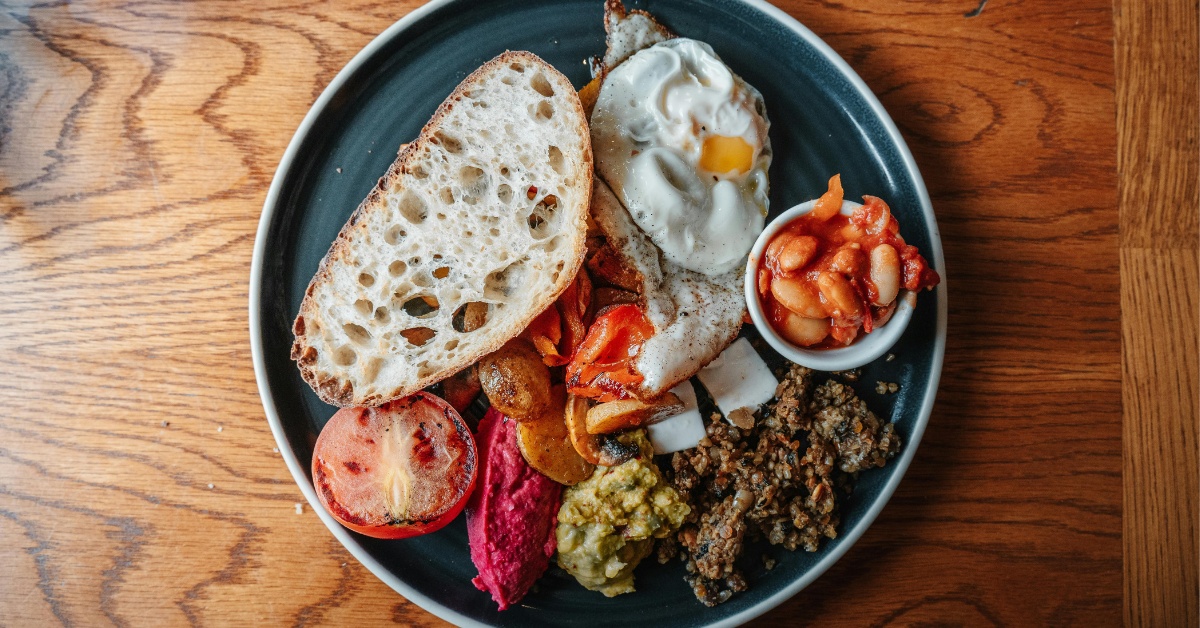
- Authentic Scottish breakfast included in your stay
- Opportunity to interact with other travelers
- Often located in charming residential areas
You’ll find B&Bs scattered throughout Scotland, from the bustling streets of Edinburgh to the remote corners of the Scottish Highlands. Many are housed in beautiful Victorian or Georgian buildings, adding to their charm and character.
Luxury Castles and Manor Houses
For a truly unforgettable experience, consider treating yourself to a stay in one of Scotland’s many castle hotels or historic manor houses. These opulent accommodations allow you to live like royalty, if only for a few nights.
|
Castle Hotel |
Location |
Unique Feature |
|
Inverlochy Castle |
Fort William |
Queen Victoria’s favorite retreat |
|
Gleneagles Hotel |
Perthshire |
World-class golf courses |
|
Crossbasket Castle |
Near Glasgow |
17th-century tower house |
|
Aldourie Castle |
Loch Ness |
Exclusive use castle on Loch Ness |
While staying in a castle hotel is certainly a splurge, the experience is well worth it. You’ll be surrounded by history, luxurious furnishings, and often extensive grounds to explore. Many castle hotels also offer activities such as falconry, archery, or whisky tastings, allowing you to immerse yourself in Scottish culture.
Budget-Friendly Hostels
If you’re traveling on a tight budget or prefer a more social atmosphere, Scotland’s hostels are an excellent option. The country has a well-developed network of hostels, ranging from basic dormitories to more upscale private rooms.
Popular Hostel Chains in Scotland:
- Scottish Youth Hostels Association (SYHA)
- Hostelling International
- Euro Hostels
- Independent boutique hostels
Hostels are particularly popular among backpackers and solo travellers, offering a great way to meet like-minded people and share travel experiences. Many hostels also organize group activities or tours, making it easy for you to explore the local area.
Unique Stays: Glamping and Eco-Lodges
For those seeking a more unconventional accommodation experience, Scotland offers a range of unique options that allow you to get closer to nature without sacrificing comfort.
Glamping Options:
- Luxury yurts with wood-burning stoves
- Treehouses overlooking lochs or forests
- Converted shepherds’ huts in rural settings
- Safari-style tents with all modern amenities
Glamping sites are often found in picturesque locations, offering stunning views and a chance to disconnect from the hustle and bustle of everyday life. Many also focus on sustainability, making them an excellent choice for eco-conscious travellers.
Eco-lodges take this concept even further, providing environmentally friendly accommodations that blend seamlessly with their surroundings. These lodges often use renewable energy sources, locally sourced materials, and implement water conservation measures.
Choosing the Right Accommodation for Your Trip
When selecting your accommodation in Scotland, consider the following factors:
- Location: Do you want to be in the heart of a city, or would you prefer a rural retreat?
- Budget: Determine how much you’re willing to spend per night and stick to it.
- Travel style: Are you looking for luxury, authenticity, or a social atmosphere?
- Length of stay: For longer stays, self-catering options might be more economical.
- Access: If you’re not renting a car, ensure your accommodation is accessible by public transport.
Remember that accommodation in popular tourist areas like Edinburgh can book up quickly, especially during peak seasons or events like the Edinburgh Fringe Festival. It’s advisable to book well in advance to secure your preferred option.
Making the Most of Your Stay
Regardless of where you choose to stay, here are some tips to enhance your accommodation experience in Scotland:
- Engage with your hosts or fellow guests to get local recommendations
- Try the full Scottish breakfast at least once during your trip
- Take advantage of any unique amenities or activities offered by your accommodation
- Be respectful of local customs and etiquette, especially in smaller B&Bs or rural areas
- Consider mixing different types of accommodation throughout your trip for a varied experience
So you’re figuring out where to stay for the next bit of your Scotland trip, right? Just a heads-up – where you end up hanging your hat can change how you feel about the whole adventure. Whether you’re picturing yourself snuggled up in a cute little B&B in the Highlands, pretending you’re royalty in a castle (because, why not?), or meeting a bunch of cool people in a buzzing hostel, Scotland’s got all sorts of places to stay. That means your nights will be just as awesome and unforgettable as all the cool stuff you go out and see during the day!
Scottish Cuisine and Drink
Scottish cuisine offers a tantalizing journey for your taste buds. Let’s delve into the flavors that make Scotland a food lover’s paradise.
Traditional dishes to try
When you visit Scotland, you’ll want to savor the authentic flavors that have been cherished for generations. Here are some must-try traditional Scottish dishes:
- Haggis: No list of Scottish cuisine would be complete without mentioning haggis. This national dish is made from sheep’s offal, oats, and spices, all encased in a sheep’s stomach. Don’t let the description put you off – it’s delicious when prepared well!
- Cullen Skink: This creamy soup is perfect for Scotland’s chilly days. Made with smoked haddock, potatoes, and onions, it’s a comforting dish that warms you from the inside out.
- Neeps and Tatties: Often served alongside haggis, this simple side dish consists of mashed turnips (neeps) and potatoes (tatties).
- Scotch Pie: A savory hand-held pie filled with minced mutton or beef, encased in a crispy hot water crust pastry.
- Cranachan: For dessert, try this traditional sweet made with whipped cream, whisky, honey, fresh raspberries, and toasted oatmeal.
To truly appreciate these dishes, seek out local restaurants and pubs that pride themselves on serving authentic Scottish fare. Many establishments now offer modern twists on these classics, so you can experience both traditional and contemporary interpretations.
Whisky distillery tours
No trip to Scotland is complete without exploring its world-famous whisky heritage. Scotland is home to over 130 active whisky distilleries, each producing unique flavors that reflect their region’s characteristics. Here are some top distillery tours you should consider:
- Glenfiddich Distillery: Located in Speyside, this is one of the world’s best-selling single malt whiskies. Their tours offer an in-depth look at the whisky-making process.
- Laphroaig Distillery: On the Isle of Islay, known for its peaty whiskies, Laphroaig offers a range of tours, including the chance to create your own whisky.
- The Macallan Distillery: Recently renovated, this Speyside distillery offers a state-of-the-art visitor experience alongside its excellent whiskies.
- Talisker Distillery: Situated on the Isle of Skye, Talisker provides stunning views along with its distinctive island malts.
- Glenkinchie Distillery: Just outside Edinburgh, this Lowland distillery is perfect for a day trip from the capital.
|
Distillery |
Region |
Known For |
|
Glenfiddich |
Speyside |
Smooth, fruity flavors |
|
Laphroaig |
Islay |
Strong, peaty taste |
|
The Macallan |
Speyside |
Rich, complex flavors |
|
Talisker |
Isle of Skye |
Peppery, sea-salt notes |
|
Glenkinchie |
Lowlands |
Light, floral character |
Remember to book your tours in advance, especially during peak tourist seasons. Many distilleries offer different tour options, from basic introductions to in-depth masterclasses, so choose one that suits your interest and budget.
Contemporary Scottish dining scene
While traditional dishes hold a special place in Scottish cuisine, the country’s contemporary dining scene is equally impressive. In recent years, Scotland has seen a culinary renaissance, with innovative chefs reimagining local ingredients and traditional recipes.
Here are some trends you’ll encounter in Scotland’s modern restaurants:
- Farm-to-table dining: Many restaurants now focus on sourcing ingredients locally, showcasing the best of Scotland’s natural larder.
- Fusion cuisine: Chefs are blending Scottish ingredients with international culinary techniques, creating unique flavor combinations.
- Vegan and vegetarian options: Plant-based dining is on the rise, with many restaurants offering creative meat-free dishes using local produce.
- Seafood innovation: With its extensive coastline, Scotland is known for excellent seafood. Contemporary chefs are finding new ways to highlight these ocean treasures.
- Craft beer pairings: Scotland’s burgeoning craft beer scene is inspiring restaurants to offer thoughtful beer pairings alongside their dishes.
Some notable contemporary Scottish restaurants to try include:
- The Kitchin (Edinburgh): Chef Tom Kitchin’s Michelin-starred restaurant showcases modern British cuisine with French influences.
- Ubiquitous Chip (Glasgow): A Glasgow institution known for its innovative takes on Scottish cuisine.
- The Three Chimneys (Isle of Skye): Offers a contemporary spin on Hebridean cuisine using hyper-local ingredients.
Food festivals and markets
To truly immerse yourself in Scotland’s food culture, plan your visit around one of the country’s many food festivals or explore its vibrant local markets. These events offer a chance to sample a wide variety of Scottish products and meet local producers.
Some food festivals to consider:
- Edinburgh Food Festival: Held annually in July, this festival showcases the best of Scotland’s food and drink scene.
- Taste of Grampian: Held in June in Aberdeenshire, this is one of Scotland’s largest one-day food festivals.
- Loch Lomond Food and Drink Festival: A celebration of Scottish produce set against the beautiful backdrop of Loch Lomond.
- Spirit of Speyside Whisky Festival: For whisky enthusiasts, this May festival is a must-visit event.
- Crail Food Festival: A charming festival in the East Neuk of Fife, celebrating local seafood and produce.
When it comes to markets, don’t miss:
- Edinburgh Farmers’ Market: Held every Saturday, this market offers a wide range of Scottish produce.
- Glasgow’s Big Feed: A street food market held on weekends, featuring a rotating lineup of food trucks and vendors.
- Aberdeen Country Fair: A monthly market showcasing local produce and crafts.
|
Event |
Location |
Time of Year |
|
Edinburgh Food Festival |
Edinburgh |
July |
|
Taste of Grampian |
Aberdeenshire |
June |
|
Loch Lomond Food and Drink Festival |
Loch Lomond |
September |
|
Spirit of Speyside Whisky Festival |
Speyside |
May |
|
Crail Food Festival |
Fife |
June |
These festivals and markets are not just about grabbing a bite and a drink; it’s a real peek into the heart of Scotland’s food culture, both the time-honoured recipes and the exciting new creations. You can actually have a chat with the folks who made what you’re eating and hear their stories – pretty cool, right?
As you keep exploring Scotland, you’ll see that the food scene is a big part of what makes travelling here so special. Whether you’re trying the classic haggis, enjoying a glass of good whisky, or experiencing some modern cooking in a restaurant, the tastes and drinks of Scotland will definitely stick with you.
Best Time to Visit Scotland
 Weather Patterns and Seasonal Attractions
When planning your Scottish adventure, understanding the weather patterns and seasonal attractions is crucial for making the most of your trip. Scotland’s climate is generally cool and wet throughout the year, but each season offers its own unique charm and experiences.
Spring (March to May)
Spring in Scotland brings milder temperatures and the first signs of life after winter. You’ll witness the countryside bursting into bloom, with daffodils and bluebells carpeting the landscapes. This season is ideal for:
- Enjoying outdoor activities like hiking and cycling without the summer crowds
- Witnessing lambing season in rural areas
- Exploring gardens and parks in their full spring glory
However, be prepared for occasional showers and pack layers to accommodate changing temperatures.
Summer (June to August)
Summer is the peak tourist season in Scotland, offering the warmest temperatures and longest daylight hours. This is the perfect time for:
- Attending outdoor festivals and events
- Exploring the Scottish Highlands and remote islands
- Enjoying water-based activities on lochs and coastal areas
Keep in mind that popular attractions like Edinburgh Castle can get crowded during this time, and accommodation prices tend to be higher.
Autumn (September to November)
Autumn in Scotland is a magical time, with landscapes transforming into a tapestry of red, gold, and orange hues. This season is ideal for:
- Witnessing the spectacular autumn foliage in places like Perthshire and the Trossachs
- Enjoying whisky tours during the harvest season
- Experiencing wildlife like the red deer rut in the Highlands
Pack warm layers and waterproof gear, as temperatures begin to drop and rainfall increases.
Winter (December to February)
Winter in Scotland can be harsh, with short daylight hours and the possibility of snow, especially in the Highlands. However, it offers unique experiences such as:
- Skiing and snowboarding in the Cairngorms National Park
- Celebrating Hogmanay (Scottish New Year) in Edinburgh
- Enjoying cozy pub atmospheres and warming Scottish cuisine
Be prepared for potential travel disruptions due to weather conditions and limited daylight hours for outdoor activities.
|
Season |
Average Temperature (°C) |
Daylight Hours |
Key Attractions |
|
Spring |
7-13 |
13-16 |
Spring blooms, lambing season |
|
Summer |
15-17 |
16-18 |
Outdoor festivals, Highland games |
|
Autumn |
8-14 |
10-13 |
Autumn foliage, whisky harvest |
|
Winter |
1-7 |
7-9 |
Winter sports, Hogmanay celebrations |
Festival Calendar
Scotland’s rich cultural heritage is celebrated through numerous festivals throughout the year. Planning your visit around these events can add a unique dimension to your Scottish experience.
|
Season |
Festival |
Location / Notes |
|
Spring Festivals |
Glasgow International Comedy Festival (March) |
Glasgow |
|
Beltane Fire Festival (April 30) |
Edinburgh |
|
|
Dumfries & Galloway Arts Festival (May) |
Dumfries & Galloway |
|
|
Summer Festivals |
Edinburgh International Film Festival (June) |
Edinburgh |
|
T in the Park Music Festival (July) (historical) |
Near Perth |
|
|
Edinburgh Festival Fringe (August) |
Edinburgh |
|
|
Royal Edinburgh Military Tattoo (August) |
Edinburgh |
|
|
Autumn Festivals |
Braemar Gathering (September) |
Braemar |
|
Wigtown Book Festival (September) |
Wigtown |
|
|
Royal National Mòd (October) |
Various locations (focus on Gaelic culture) |
|
|
Winter Festivals |
Hogmanay Celebrations (December 31 – January 1) |
Across Scotland |
|
Up Helly Aa (January) |
Shetland Islands |
|
|
Glasgow Film Festival (February) |
Glasgow |
Tip: Major events like the Edinburgh Festival Fringe attract visitors from all over the world, so booking accommodations early is highly recommended.
Going to these festivals will give you entertainment and connect you with real culture, tradition, and recent artwork in Scotland.
Off-Peak Travel Benefits
While summer might seem like the ideal time to visit Scotland, there are significant advantages to traveling during the off-peak seasons (late autumn, winter, and early spring).
Cost Savings
One of the most apparent benefits of off-peak travel is the potential for significant cost savings:
- Accommodation prices can be up to 30-50% lower than peak season rates
- Flights and transportation costs are often reduced
- Many attractions offer discounted entry fees during quieter months
Fewer Crowds
Visiting Scotland during the off-peak season means you’ll encounter fewer tourists, allowing you to:
- Explore popular attractions like Edinburgh Castle or the Isle of Skye with more space and tranquility
- Enjoy a more authentic local experience in cities and towns
- Secure reservations at popular restaurants and accommodations more easily
Off-Peak Unique Experiences
Off-peak travel offers opportunities for unique experiences that aren’t available during the busier months:
- Witness the Northern Lights in the Scottish Highlands during winter nights
- Enjoy cozy evenings by the fire in traditional Scottish pubs
- Experience winter sports in the Cairngorms National Park
- Participate in traditional winter festivals like Up Helly Aa in the Shetland Islands
Off-Peak Photography Opportunities
The changing seasons and softer light during off-peak months can provide stunning photography opportunities:
- Capture misty mornings over lochs and glens
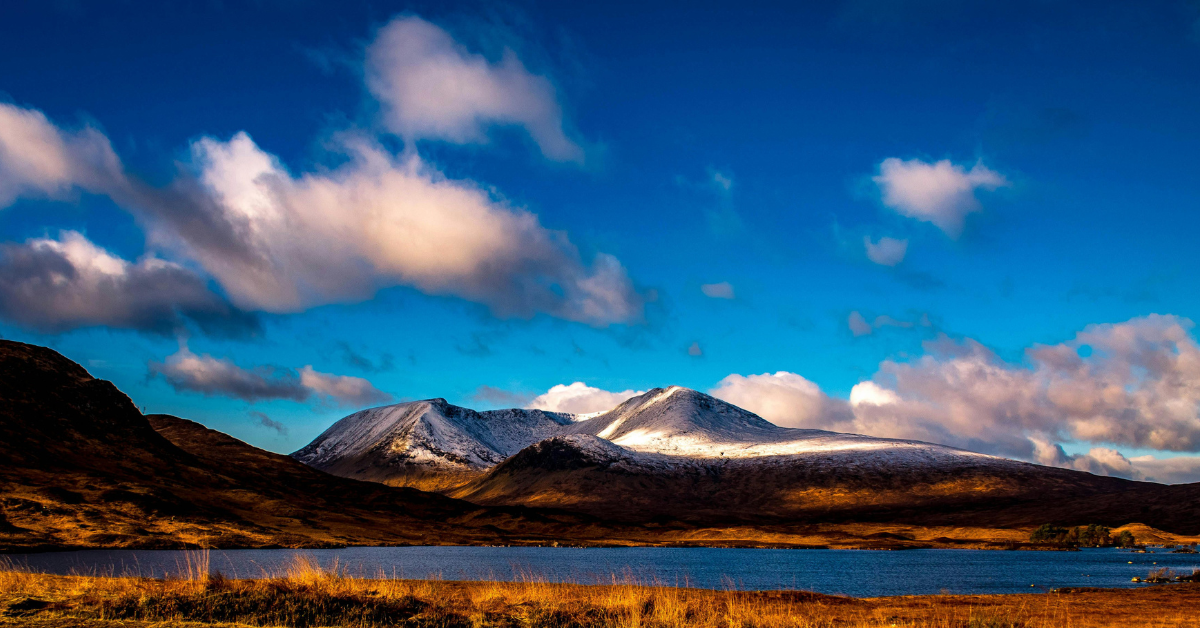
- Photograph snow-capped mountains in the Highlands
- Document the dramatic skies and stormy seas along the coast
While off-peak travel has its advantages, it’s important to be prepared for potential challenges:
- Some rural attractions and accommodations may have limited operating hours or be closed
- Daylight hours are shorter, especially in winter, limiting time for outdoor activities
- Weather can be more unpredictable, requiring flexible itineraries and appropriate clothing
By weighing these factors against your travel preferences and priorities, you can determine the best time for your Scottish adventure. Whether you choose the bustling energy of summer festivals or the quiet beauty of a winter landscape, Scotland offers unforgettable experiences year-round.
Outdoor Activities
 Scotland’s diverse terrain offers a wealth of activities for nature enthusiasts and adventure seekers alike.
A. Hiking and hillwalking routes
Scotland’s rugged beauty is best experienced on foot. You’ll find trails suitable for all fitness levels, from leisurely walks to challenging mountain hikes.
- West Highland Way: This 96-mile route from Milngavie to Fort William offers stunning views of lochs, mountains, and glens.
- The Speyside Way: Perfect for whisky lovers, this trail takes you through the heart of Scotland’s most famous whisky-producing region.
- Ben Nevis: For the more adventurous, scaling the UK’s highest peak is a must-do experience.
Remember to always check weather conditions and carry appropriate gear before setting out on any hike.
B. Golf courses and tee times
As the birthplace of golf, Scotland boasts some of the world’s most iconic courses. Whether you’re a seasoned pro or a casual player, you’ll find a course to suit your skill level.
|
Course Name |
Location |
Notable Features |
|
St Andrews Old Course |
Fife |
The “Home of Golf” with 600 years of history |
|
Royal Dornoch |
Highlands |
Ranked #2 in the world by Golf Digest |
|
Muirfield |
East Lothian |
Hosted The Open Championship 16 times |
Book your tee times well in advance, especially for popular courses during peak season.
C. Wildlife watching opportunities
Scotland’s diverse ecosystems support a rich variety of wildlife. Here are some top spots for animal encounters:
- Isle of Mull: Known as “Eagle Island,” it’s one of the best places in Europe to spot white-tailed and golden eagles.
- Moray Firth: Watch bottlenose dolphins from the shore or take a boat trip for a closer look.
- Cairngorms National Park: Home to red deer, pine martens, and the elusive Scottish wildcat.
Consider joining guided tours for the best chances of spotting wildlife and to learn about conservation efforts.
D. Water sports and island hopping
With over 790 islands and countless lochs, Scotland offers endless opportunities for water-based adventures.
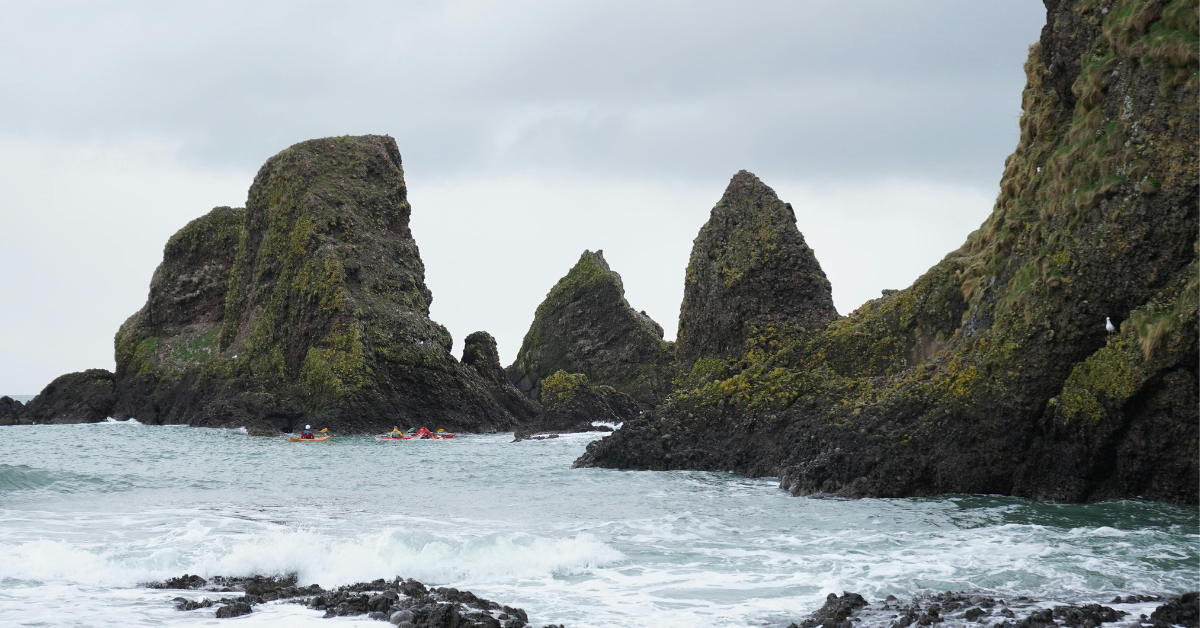
- Sea kayaking: Explore the rugged coastlines and hidden coves of the Hebrides or Orkney Islands.
- Wild swimming: Take a refreshing dip in lochs like Loch Lomond or Loch Morlich.
- Island hopping: Ferry between the Inner Hebrides, visiting islands like Skye, Mull, and Islay.
For a unique experience, try coasteering – a combination of rock climbing, swimming, and cliff jumping along the Scottish coast.
As you immerse yourself in Scotland’s outdoor wonders, you’ll gain a deeper appreciation for the country’s natural beauty and diverse ecosystems.
Hidden Gems
 1. Discover Scotland’s lesser-known treasures that often escape the tourist radar. Your journey can be enriched by exploring the charming village of Pittenweem in Fife, known for its picturesque harbor and vibrant arts scene. Don’t miss the opportunity to visit the remote Orkney Islands, where you’ll find ancient Neolithic sites and breathtaking coastal landscapes.
|
Hidden Gem |
Location |
Highlight |
|
Pittenweem |
Fife |
Picturesque harbor, arts scene |
|
Orkney Islands |
North of mainland |
Neolithic sites, coastal landscapes |
2. The Isle of Mull is one of the most beautiful islands in Scotland and is located in the Inner Hebrides. Known for its stunning coastlines, towering mountains, and the colorful harbor town of Tobermory, Mull is the perfect destination for anyone looking to experience the best of Scotland.
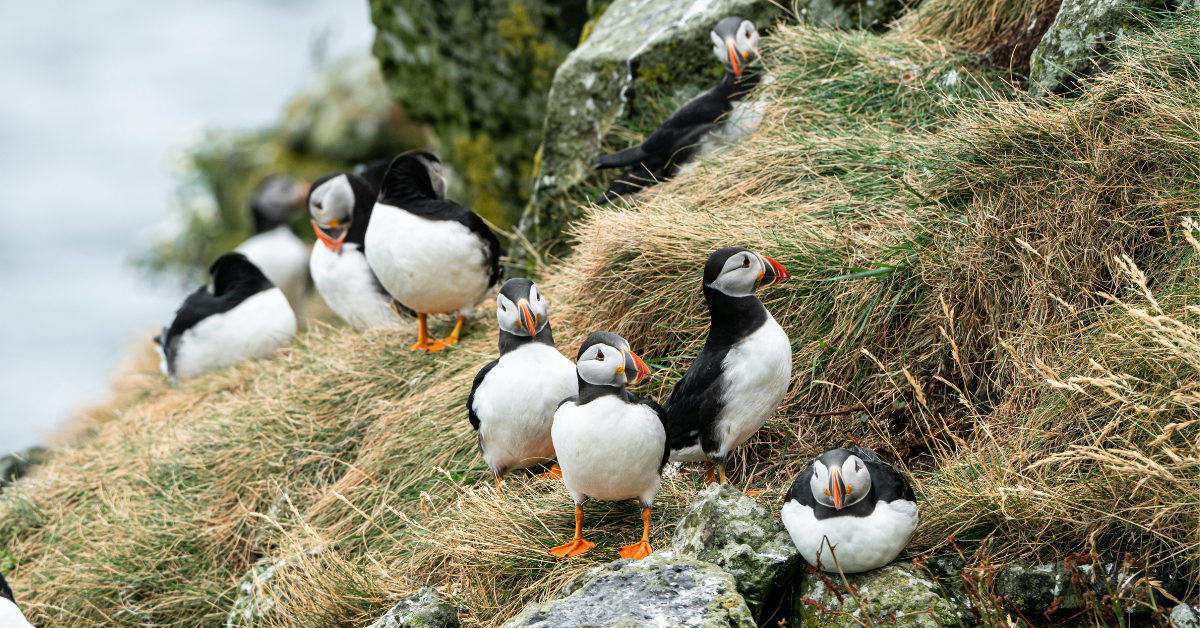
The island is a paradise for wildlife lovers. This is one of the best places in the UK to spot sea eagles, otters, seals and even whales. A major highlight for many visitors is taking a boat trip from Mull to the nearby Treshnish Isles, especially to Lunga, where you can walk among colonies of adorable puffins during the breeding season (usually from May to early August). These friendly birds are famously relaxed around humans and offer up-close encounters. Accessible by ferry from Oban, the Isle of Mull feels wonderfully remote yet is easy to explore, with ancient castles like Duart Castle, beautiful beaches, and scenic drives at every turn.
.Practical Travel Tips
Now that you’ve learned about the exciting experiences Scotland has to offer, let’s dive into some practical travel tips to ensure your journey is smooth and enjoyable.
A. Language and local etiquette
While English is widely spoken in Scotland, you’ll encounter some unique Scottish words and phrases. Here’s a quick guide to help you navigate local conversations:
|
Scottish Term |
English Translation |
|
Aye |
Yes |
|
Nae |
No |
|
Wee |
Small |
|
Bonnie |
Beautiful |
|
Cheers |
Thank you/Goodbye |
Remember to use “please” and “thank you” frequently, as politeness is highly valued in Scottish culture. When entering a pub or small shop, it’s customary to greet others with a friendly “hello” or “hiya.”
B. Currency and tipping customs
Scotland uses the British Pound Sterling (£). While some places accept euros, it’s best to use pounds for all transactions. Here are some tipping guidelines:
- Restaurants: 10-15% if service isn’t included
- Taxis: Round up to the nearest pound or add 10%
- Hotels: £1-2 per bag for porters, £1-2 per day for housekeeping
- Pubs: Tipping isn’t expected, but you can offer to buy the bartender a drink
C. Safety information and emergency contacts
Scotland is generally a safe country, but it’s always wise to be prepared. Keep these emergency numbers handy:
- Police, Fire, Ambulance: 999 or 112
- Non-emergency police: 101
- NHS 24 (medical advice): 111
When hiking in the Highlands, inform someone of your plans and carry a fully charged mobile phone. Be aware of rapidly changing weather conditions and dress appropriately.
As you prepare for your Scottish adventure, keep these practical tips in mind to make the most of your trip. From navigating local customs to staying safe in the rugged landscapes, you’re now equipped with essential knowledge for an unforgettable journey through Scotland.
Packing List for Your Scottish Adventure
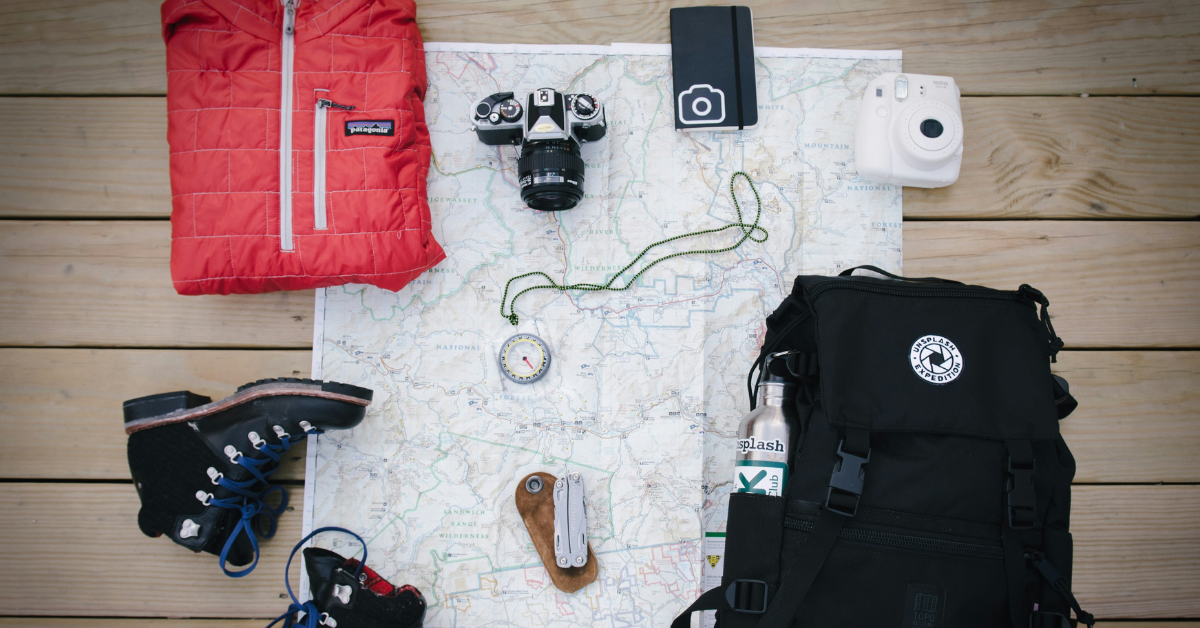 When preparing for your journey to Scotland, it’s crucial to pack wisely to ensure you’re ready for any situation. The country’s unpredictable weather and diverse activities require careful consideration. Here’s a comprehensive packing list to help you make the most of your Scottish adventure:
Clothing Essentials
- Waterproof jacket: A must-have for Scotland’s frequent rain showers
- Warm layers: Pack sweaters, fleeces, and thermal underlayers
- Comfortable walking shoes: Essential for exploring cities and hiking trails
- Rain boots: Useful for muddy terrain and wet weather
- Hat and gloves: For chilly highland winds
- Scarf or neck gaiter: Versatile for both warmth and style
Outdoor Gear
- Daypack: For carrying essentials during day trips and hikes
- Reusable water bottle: Stay hydrated while reducing plastic waste
- Umbrella: A compact, sturdy option for sudden downpours
- Sunglasses and sunscreen: Yes, Scotland does have sunny days!
- Insect repellent: Especially important during summer in the Highlands
Electronics and Accessories
- Universal power adapter: Scotland uses Type G plugs
- Portable charger: Keep your devices powered during long days out
- Camera: Capture the stunning Scottish landscapes
- Binoculars: Great for wildlife spotting and scenic views
Toiletries and Health Items
- Personal medications: Pack enough for your entire trip, plus extra
- First aid kit: Include basics like bandages, pain relievers, and antacids
- Hand sanitiser and face masks: For hygiene and local requirements
Documents and Money
- Passport and visa : Check entry requirements before travelling
- Travel insurance documents: Always recommended for international trips
- Cash and credit cards: While cards are widely accepted, cash is useful in rural areas
Scottish-Specific Items
- Whisky journal: To record your tasting notes during distillery tours
- Guidebook or map: For navigating Scotland’s charming cities and remote highlands
Here’s a quick comparison of what to pack for different Scottish seasons:
Remember, Scotland’s weather can be unpredictable, so it’s best to be prepared for all conditions. By packing these essentials, you’ll be ready to explore the enchanting Scotland without worrying about forgetting something important.
Safety
Your health and safety is important while traveling in Scotland. The country is generally safe, but you should take standard precautions. Be aware of your surroundings, especially when in crowded tourist areas where pickpockets can lurk. Keep your valuables safe and use the safes provided in your hotel room.
When hiking in the Highlands, always inform someone of your plans and carry appropriate gear. Weather can change rapidly, so pack layers and waterproof clothing. For emergencies, the number to call is 999 or 112. Remember, in Scotland, cars drive on the left side of the road.
|
Safety Tip |
Description |
|
Emergency Number |
999 or 112 |
|
Hiking Safety |
Inform others of plans, carry proper gear |
|
Road Safety |
Drive on the left side |
Day Trips Ideas
When exploring Scotland, you’ll find that many incredible destinations are within easy reach for day trips. Here are some fantastic ideas to help you make the most of your Scottish adventure:
Edinburgh to Falkirk : Explore the central Scotland.
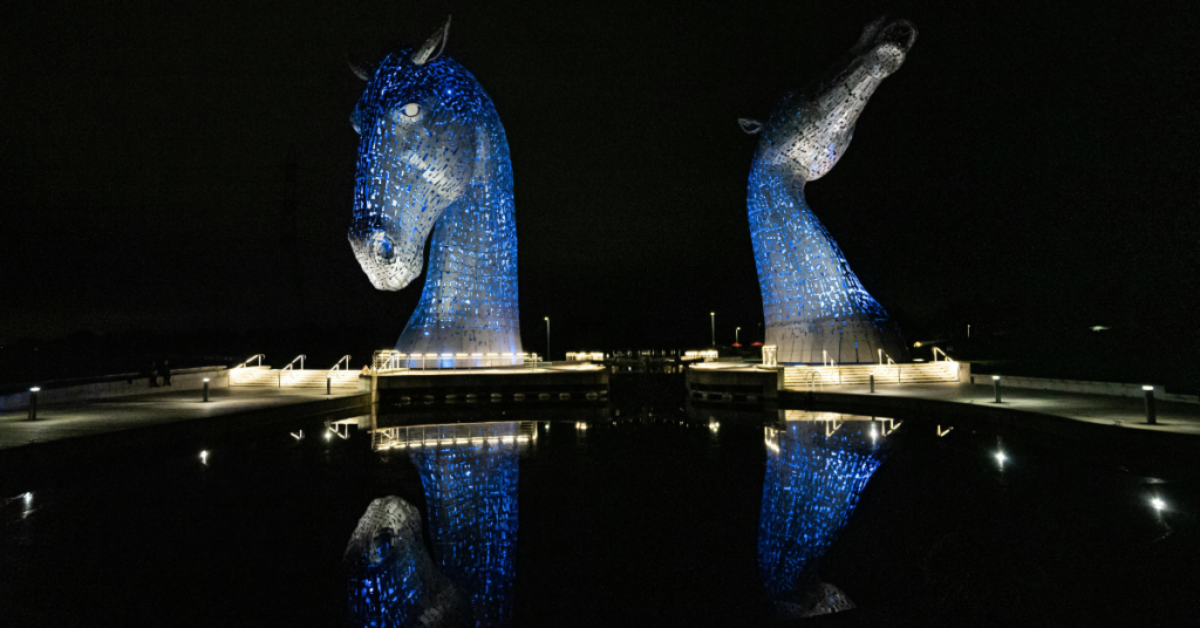
Two of Scotland’s most iconic modern structures are The Kelpies and The Falkirk Wheel, both situated just outside the town of Falkirk. The Kelpies The Kelpies are colossal steel sculptures that stand up to 30 metres high and pay tribute to the horses that spread across Scotland’s industries and canals. At night they are particularly impressive when lit up. Create a magical atmosphere.
Nearby, the Falkirk Wheel is the world’s only rotating boat lift —a feat of engineering that link the Forth and Clyde Canal with the Union Canal. Members of the public can experience the Wheel in practice by embarking on a boat ride that floats elegantly up and down through the sky. Both attractions combine inventiveness, imagination – and spectacular design – in the spirit of Scotland’s industrial story.
Edinburgh to St Andrews
Just a 90-minute drive from Edinburgh, St Andrews offers a perfect blend of history, culture, and coastal charm. You’ll love exploring:
- The ruins of St Andrews Cathedral
- The iconic Old Course, a must-visit for golf enthusiasts
- The picturesque West Sands Beach
Glasgow to Loch Lomond
Less than an hour’s drive from Glasgow, Loch Lomond is a natural wonder that shouldn’t be missed. Your day trip can include:
- A scenic boat cruise on the loch
- Hiking in the Trossachs National Park
- Visiting the charming village of Luss
Inverness to Loch Ness
From Inverness, you’re just a stone’s throw away from the legendary Loch Ness. Your day trip might feature:
- A visit to Urquhart Castle for stunning loch views
- A boat tour to search for the elusive Nessie
- Exploring the Loch Ness Centre and Exhibition
Aberdeen to Royal Deeside
A short drive from Aberdeen takes you to Royal Deeside, an area beloved by the British Royal Family. Your day could include:
- A tour of Balmoral Castle (when open to the public)
- A walk through the beautiful Cairngorms National Park
- Visiting the picturesque village of Braemar
Stirling to the Trossachs
From historic Stirling, you’re perfectly positioned to explore the stunning Trossachs. Your day trip might involve:
- A visit to the charming village of Callander
- A hike up Ben A’an for panoramic views
- A cruise on Loch Katrine
To help you plan your day trips effectively, consider the following comparison table:
|
Day Trip |
Distance |
Travel Time |
Key Attractions |
|
Edinburgh to St Andrews |
50 miles |
1.5 hours |
Old Course, Cathedral ruins |
|
Glasgow to Loch Lomond |
25 miles |
45 minutes |
Boat cruises, Trossachs National Park |
|
Inverness to Loch Ness |
15 miles |
30 minutes |
Urquhart Castle, Nessie hunting |
|
Aberdeen to Royal Deeside |
45 miles |
1 hour |
Balmoral Castle, Cairngorms |
|
Stirling to the Trossachs |
30 miles |
45 minutes |
Ben A’an, Loch Katrine |
While planning your Scottish journey, use this list of day trips to break up your plans. Each of these locations offers a new perspective on Scotland, whether that be through its history, architecture, or landscape. Now that you have these day trip suggestions, you’re ready to explore beyond your base city and discover the hidden gems scattered across this beautiful country.